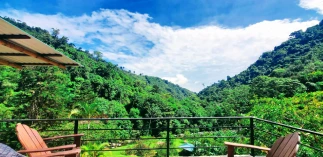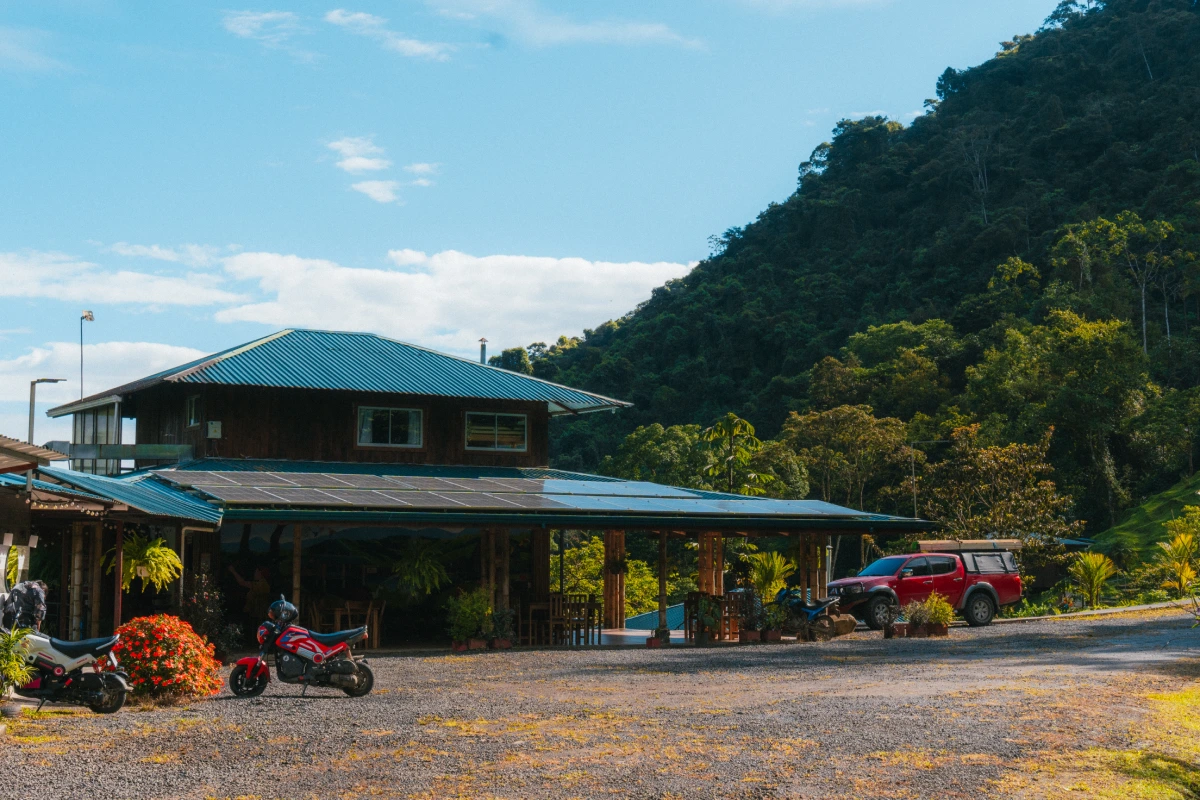
High in the Costa Rican mountains, our retreat offers stunning views and the serenity of nature. But venture down to the lowlands and a different kind of magic awaits. Here, in the hidden world of freshwater marshes and reedy lakes, thrives a master of disguise – the American Bittern.
Want a deeper dive? Start here: Hiking Trails Costa Rica.
Though not as flashy as the scarlet macaws or the turquoise-crowned motmots, the American Bittern holds a unique charm. This medium-sized heron, with its brown and buff streaked plumage, blends seamlessly with the reeds, becoming a living embodiment of camouflage. Spotting one is a true feat, for these birds prefer to stay hidden, their long necks and pointed bills acting like extensions of the marsh itself.
But don’t be discouraged! While sight is a challenge, hearing paints a vivid picture. Particularly during spring and summer mornings and evenings, the American Bittern breaks its silence with a booming call that has earned it a variety of colorful nicknames. From the evocative “stake-driver” to the rather amusing “water-belcher,” these calls – a mix of oinks, clucks, and deep booms – resonate across the marsh, a haunting melody that is both otherworldly and strangely beautiful.
A master of disguise:
The American Bittern’s mastery of camouflage goes beyond its plumage. When threatened, it stretches its neck skyward, transforming itself into a living reed, complete with a swaying motion that mimics the marsh plants in the wind. This incredible display of freeze-and-flinch behavior makes it nearly impossible for predators to distinguish them from their surroundings.
A patient predator:
These herons are patient hunters. They stalk their prey – fish, frogs, insects, and even small reptiles – with slow, deliberate steps, waiting for the perfect moment to strike with their sharp beaks. Their long legs allow them to wade comfortably in shallow waters, their keen eyes scanning the depths for any sign of movement.
Where to find the American Bittern:
While you might not see them at our mountain retreat, the American Bittern is a resident in Costa Rica’s lowlands. Look for them in freshwater marshes, particularly around the Caribbean lowlands and along the Pacific coast. National parks like Palo Verde and Tortuguero Teñorio are excellent spots to try your luck.
More than just a bird:
The American Bittern is an indicator species. Their presence signifies a healthy wetland ecosystem. As these marshes face threats from pollution and habitat loss, the American Bittern serves as a silent sentinel, reminding us of the importance of protecting these vital ecosystems.
So, the next time you explore the lowlands of Costa Rica, keep your ears tuned for the otherworldly calls of the American Bittern. With a little patience, you might just be rewarded with a glimpse of this master of disguise, a silent musician in the heart of the marsh.
For more information, please view our comprehensive guide about the birds of Costa Rica