Introduction to Costa Rica Coffee Beans
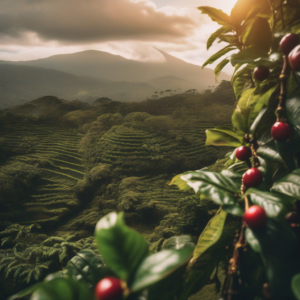
Costa Rica is renowned for its exceptional coffee beans, which are celebrated for their unique flavor profiles and high quality. The country’s diverse climate and rich volcanic soil create ideal conditions for cultivating some of the best coffee beans in the world. From the high-altitude regions to the lush valleys, Costa Rican coffee offers a delightful experience for coffee lovers everywhere.
Looking for the best next step? Explore Plan a Trip to Costa Rica: Your Ultimate Travel Guide.
Why Costa Rica Coffee Beans Matters
Costa Rica coffee beans are not just a beverage; they are a representation of the country’s culture and dedication to sustainable agriculture. The commitment to producing high-quality coffee has made Costa Rica a key player in the global coffee market. The country’s focus on organic practices ensures that the coffee produced is not only delicious but also environmentally friendly.
The Unique Flavor Profiles of Costa Rican Coffee Beans
The flavor profiles of Costa Rican coffee beans vary significantly based on the region of cultivation. Factors such as altitude, climate, and processing methods contribute to the distinct tastes. Common notes found in these coffees include:
- Fruity: Many Costa Rican coffees exhibit bright acidity with notes of berries and citrus.
- Nuts and Chocolate: A smooth, nutty flavor often complements the rich chocolate undertones.
- Floral: Some varieties present delicate floral notes that enhance the overall tasting experience.
How to Brew the Perfect Cup of Costa Rican Coffee
Brewing the perfect cup of Costa Rican coffee requires attention to detail and the right techniques. Here are some tips:
- Use Fresh Beans: Always opt for freshly roasted and ground Costa Rica coffee beans to capture the full flavor.
- Water Quality: Use filtered water to avoid unwanted flavors.
- Brewing Method: Experiment with various brewing methods such as pour-over, French press, or espresso to find your preferred taste.
- Brewing Temperature: Aim for a water temperature between 195°F and 205°F for optimal extraction.
An Exploration of Coffee Farms in Costa Rica
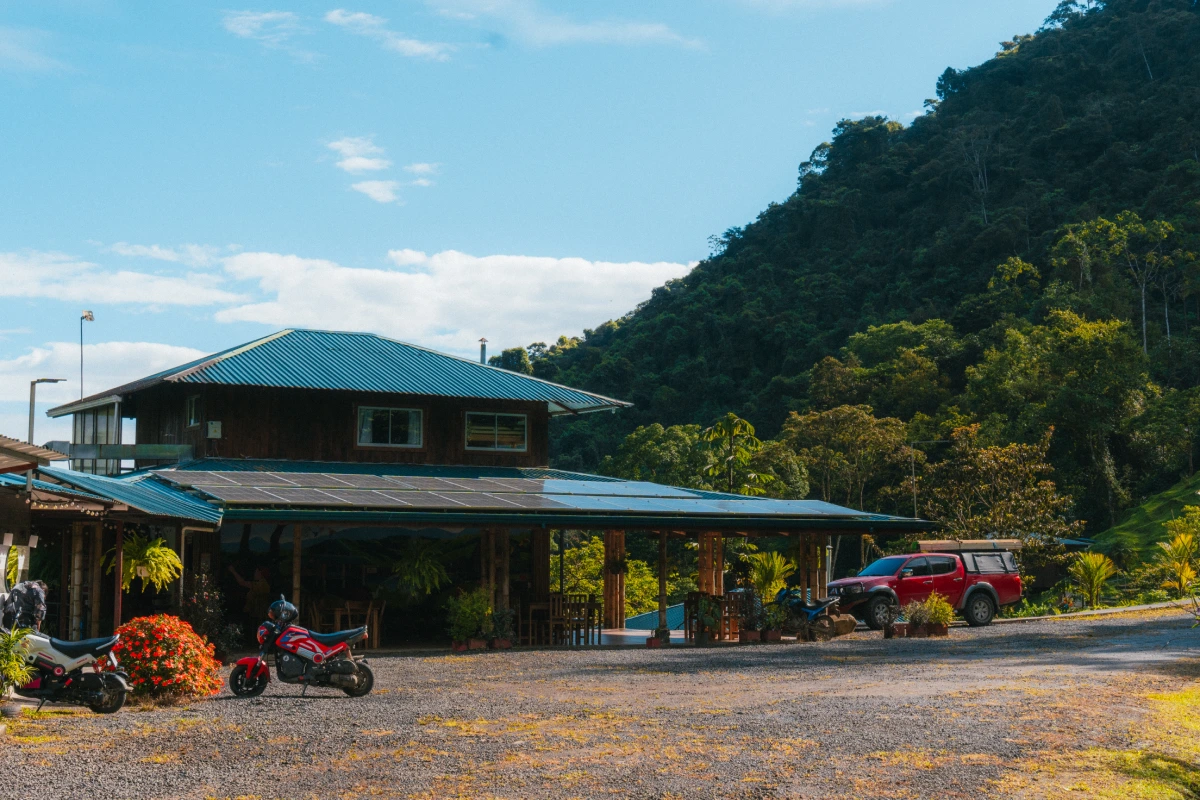
Coffee farms in Costa Rica offer a unique opportunity to experience the coffee-making process firsthand. Many farms provide tours where visitors can learn about the cultivation, harvesting, and processing of coffee beans. Some notable regions to explore include:
- Central Valley: Known for its rich volcanic soil and ideal altitude, this region produces some of the best coffee varieties.
- Tarrazú: Renowned for its high-quality beans and unique flavor profiles, Tarrazú is a must-visit for coffee enthusiasts.
- Guanacaste: This area offers a different climate, producing coffees with distinct characteristics.
The Impact of Altitude on Costa Rican Coffee Quality
Altitude plays a crucial role in the quality of Costa Rican coffee. Higher elevations typically yield beans with greater acidity and complex flavors. The cooler temperatures at higher altitudes slow down the coffee cherry’s ripening process, allowing for more nuanced flavor development. As a result, beans grown at altitudes above 1,200 meters are often considered superior.
Sustainability Practices in Costa Rican Coffee Production
Sustainability is a cornerstone of Costa Rican coffee production. Many farmers implement organic practices, avoiding harmful pesticides and chemicals. Additionally, shade-grown coffee helps preserve local biodiversity and provides habitats for wildlife. Consumers can support these practices by choosing organic Costa Rica coffee options, ensuring that their coffee is both delicious and environmentally friendly.
FAQs about Costa Rica Coffee Beans
- What makes Costa Rica coffee unique? Costa Rica coffee is unique due to its diverse growing conditions, high altitude, and commitment to quality and sustainability.
- How should I store Costa Rica coffee beans? Store beans in an airtight container in a cool, dark place to maintain freshness.
- What are the different types of Costa Rican coffee? There are several varieties, including Arabica and Robusta, with Arabica being the most popular and renowned for its quality.
- Where can I buy authentic Costa Rica coffee beans? Authentic Costa Rica coffee can be purchased at specialty coffee shops, online retailers, or directly from coffee farms.
- What is the roasting process for Costa Rican coffee? The roasting process involves heating coffee beans to develop their flavor and aroma, with different roast levels affecting the final taste.
Conclusion
In conclusion, Costa Rica coffee beans offer a remarkable journey through flavor and sustainability. By exploring the unique characteristics of different regions, understanding the importance of altitude, and supporting sustainable practices, coffee lovers can enjoy an exceptional cup of coffee while contributing to the preservation of the environment. Whether you are a casual drinker or a dedicated aficionado, the rich heritage of Costa Rican coffee is sure to enhance your coffee experience.