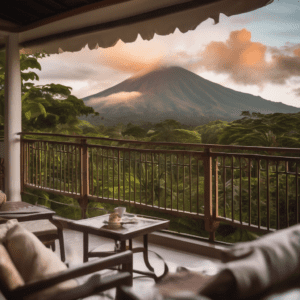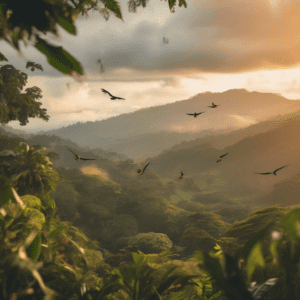
High up in the verdant canopy of Costa Rica’s rainforests, a tiny burst of color flits between the leaves. This is the Blue-capped Manakin, a dazzling songbird with a personality as vibrant as its plumage. For those lucky enough to spot one during their stay at our secluded Costa Rican retreat, this tiny wonder is a sight to behold.
If this topic speaks to you, you’ll love Hiking Trails Costa Rica.
A Tale of Two Plumages
The Blue-capped Manakin (Lepidothrix coronata) boasts a fascinating sexual dimorphism, meaning males and females look quite different. The males are the true stars of the show, with sleek, jet-black bodies accentuated by a brilliant blue crown that shimmers like a sapphire in the dappled sunlight. In some regions, like eastern Peru and western Brazil, the black gives way to a stunning emerald green plumage, making them even more captivating.
Females, on the other hand, are dressed in a more subdued attire. Their bodies are a vibrant lime green, with a hint of yellow peeking through on their bellies. While they lack the males’ striking crown, their bright green plumage makes them stand out beautifully against the lush rainforest backdrop.
A Solitary Singer
The Blue-capped Manakin is typically seen alone, flitting through the lower and middle levels of the rainforest. Keen birders might spot them perched on a branch, keeping a watchful eye out for tasty morsels. Their diet consists mainly of fruits and insects, making them vital pollinators and pest controllers within the rainforest ecosystem.
While solitary, the Blue-capped Manakin isn’t shy about making its presence known. The males possess a distinctive, frog-like call that can be described as a “see-pur-wee.” This vocalization, along with a softer, sweeter call used by both sexes, helps them communicate and defend their territories.
Finding the Blue-Capped Manakin
The good news for guests at our Costa Rican retreat is that the Blue-capped Manakin has a wide range throughout the country. Their habitat stretches from Bolivia and Venezuela all the way north to Costa Rica and western Panama. So, whether you’re exploring the rainforests near the retreat or venturing further afield, you have a good chance of encountering this captivating little bird.
Tips for Birdwatching Success
While the Blue-capped Manakin isn’t the shyest bird, a little patience and the right approach will increase your chances of spotting one. Here are some tips:
- Early mornings are best: Blue-capped Manakins tend to be most active at dawn and dusk, so plan your birdwatching adventures accordingly.
- Follow the sound: Their distinctive calls are a good giveaway. Keep your ears peeled for the “see-pur-wee” and head towards the source of the sound.
- Look for fruiting trees: These tiny birds love to feast on fruits, so scan the rainforest canopy for trees laden with ripe berries.
- Bring binoculars: Getting a good look at these fast-moving birds requires a good pair of binoculars.
By following these tips and keeping your eyes peeled, you might just be rewarded with a glimpse of the Blue-capped Manakin – a dazzling jewel flitting through the Costa Rican rainforest. And if you do spot one during your stay, be sure to share your experience with us! We’re always happy to hear about the incredible wildlife encounters our guests have here at our mountain retreat.
For more information, please view our comprehensive guide about the birds of Costa Rica