High in the Costa Rican mountains, where the air hums with life and the emerald embrace of the rainforest reigns, there exists a shy, seldom-seen treasure – the Ruddy Crake. This petite member of the rail family might be elusive, but for the patient observer, a glimpse of its russet plumage can be a truly rewarding experience.
Make the most of your stay: continue with Hiking Trails Costa Rica.
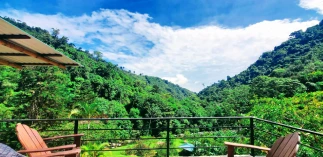
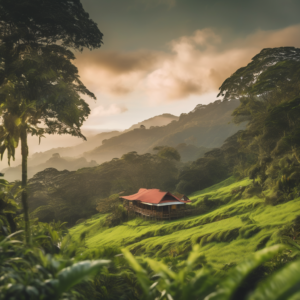
The ruddy crake, also known as the little red rail, is a resident of the lowlands and foothills of the Caribbean, with its range stretching from Mexico down to northwestern Costa Rica. Here, in the secluded haven of our mountain retreat, nestled amidst marshes and verdant fields, these birds find a suitable habitat.
A Master of Camouflage
Standing at a mere 6 inches tall, the ruddy crake is a master of disguise. Its reddish-brown feathers blend seamlessly with the reeds and tall grasses it prefers. Add to this a secretive nature, and you have a bird that prefers to stay hidden, flitting through the undergrowth and making quick darts for cover.
A Song in the Reeds
While sightings of the ruddy crake might be rare, their presence is often announced by their distinctive call. A high-pitched, repeated “ki-ki-ki” pierces the tranquility of the marsh, a melodic clue to the bird’s whereabouts.
A Vulnerable Guest
The ruddy crake population in Costa Rica has faced challenges. Once considered common, sightings dwindled in the latter half of the 20th century. Habitat loss and degradation are believed to be the main culprits. However, a flicker of hope emerged in 2007 with a confirmed sighting near the La Selva Biological Research Station. This discovery suggests a potentially wider, undetected population.
Witnessing a Wonder
Here at our mountain retreat, we take immense pride in preserving the natural habitat that shelters these shy birds. By maintaining healthy marshes and minimizing human interference, we offer the ruddy crake a safe haven.
While spotting a ruddy crake might take a touch of patience and a keen eye, the reward is unparalleled. The sight of this little russet gem flitting through the reeds is a testament to the resilience of nature and the beauty of Costa Rica’s hidden wonders.
Tips for Birdwatchers:
- Early mornings and late afternoons: The ruddy crake is most active during these times, increasing your chances of hearing its call or catching a glimpse.
- Listen for the call: The high-pitched “ki-ki-ki” is your best indicator of the bird’s presence.
- Maintain a respectful distance: Avoid disturbing the bird’s habitat or causing it undue stress.
- Patience is key: These birds are naturally shy, so be prepared to wait and observe.
By following these tips and venturing into the serene beauty of our mountain retreat, you might just be fortunate enough to encounter the elusive ruddy crake – a true gem of the Costa Rican avifauna.
For more information, please view our comprehensive guide about the birds of Costa Rica