High up in the lush Costa Rican rainforest canopy, a flash of black and white glides effortlessly through the leaves. This isn’t a ghost, but the Gray-headed Kite, a resident raptor with a distinctive appearance and a taste for the finer things in the avian nursery.
If this topic speaks to you, you’ll love Hiking Trails Costa Rica.
A Bird of Many Colors (For a While)
The Gray-headed Kite (Leptodon cayanensis) is a medium-sized hawk, typically measuring 46-53 cm in length. Adults are a study in contrasts – their namesake gray head transitions sharply into sleek black upperparts, while their underparts are a dazzling white. The tail is black with two or three bold white bands, adding a touch of drama to their flight.
But don’t be fooled by the adult’s sophisticated look. Juveniles are a whirlwind of plumage possibilities! They come in three color morphs:
- Dark Morph: Think goth chic – these youngsters are dusky brown above with pale underparts streaked with black.
- Light Morph: This morph closely resembles the Black-and-White Hawk-Eagle, with a white head and neck offset by a black crown and eyestripe.
- Intermediate Morph: Somewhere in between the two extremes, offering a glimpse into the bird’s color journey.
No matter their morph, all juveniles share a key feature – broad, pale-gray tail bands, a constant throughout their development.
A Secretive Hunter with a Surprising Diet
The Gray-headed Kite prefers the quiet life of the forest canopy, hunting unobtrusively from within the dense foliage. Unlike many ferocious hawks, their prey isn’t limited to small mammals and reptiles. These kites have a particular fondness for… well, let’s just say they’re not above taking advantage of others’ hard work.
A large portion of their diet consists of the eggs and nestlings of smaller birds. They’ll also readily snatch up insect larvae and pupae, particularly those of wasps and ants. Small reptiles and the occasional unlucky insect round out their menu.
Spotting a Gray-headed Kite at the Retreat
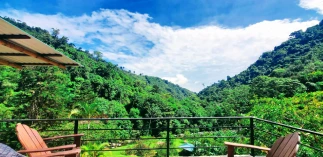
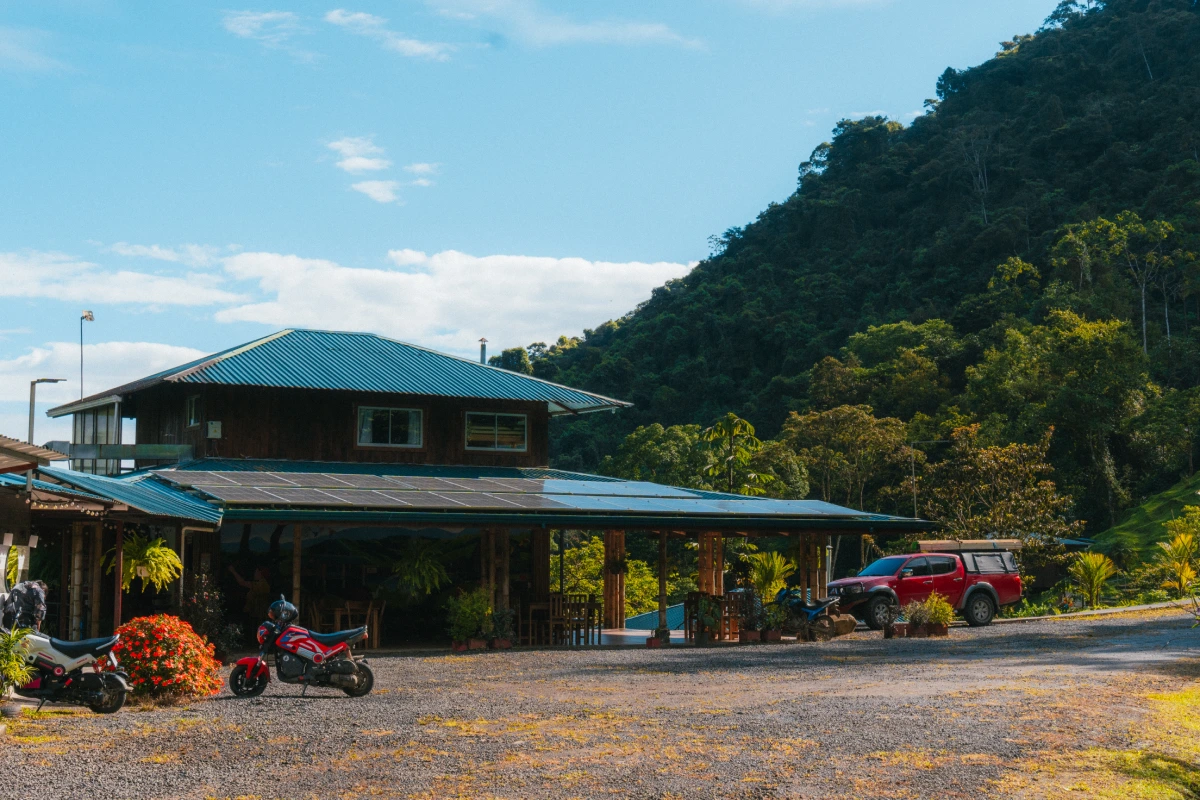
While the Gray-headed Kite isn’t the most common bird at our mountain retreat, it’s not entirely out of the question to spot one. They are known to forage in open woodlands and the edges of forests, which can sometimes extend into the lower foothills where the retreat is situated.
Keep your eyes peeled for a flash of black and white flitting through the trees, or listen for their long, laughing call echoing through the canopy. With a little patience and a keen eye, you might just catch a glimpse of this fascinating resident of the Costa Rican rainforest.
Beyond the Retreat: Where Else to Find the Gray-headed Kite
The Gray-headed Kite has a wide range, stretching from eastern Mexico and Trinidad south to Peru, Bolivia, Brazil, and northern Argentina. So, if you’re exploring other parts of Costa Rica, or even venturing further afield in Central and South America, keep an eye out for this unique raptor.
Next time you’re gazing upwards at the Costa Rican rainforest canopy, remember to look beyond the toucans and macaws. There might just be a Gray-headed Kite, with its surprising plumage and dietary habits, silently patrolling its leafy domain.
For more information, please view our comprehensive guide about the birds of Costa Rica