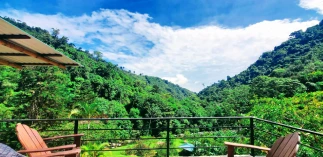
Our mountain retreat here in Costa Rica offers a haven for serenity and stunning biodiversity. While many creatures thrive in our lush forests, a special guest arrives during the winter months that frequents the wetland areas at the foot of our mountains – the Least Sandpiper.
Make the most of your stay: continue with Hiking Trails Costa Rica.
This little shorebird might be easy to miss, but for those who appreciate the wonders of the natural world, it’s a captivating sight. Let’s delve into the fascinating life of this feathered friend that graces our Costa Rican wetlands during its migratory sojourn.
A Miniature Master of Migration
The Least Sandpiper (Calidris minutilla) is aptly named. It’s one of the smallest shorebirds in North America, measuring a mere 5.9-6.7 inches (15-17 cm) in length. But what it lacks in size, it makes up for in resilience. These tiny travelers embark on incredible journeys, breeding in the Arctic tundra of North America and then migrating south for the winter.
During this time, Costa Rica becomes a vital stopover and wintering ground for the Least Sandpiper. From September to May, these little birds can be spotted in our coastal wetlands, mudflats, and even the edges of rice paddies near the base of our mountain retreat.
Spotting a Speckled Sprite
While the Least Sandpiper might be small, its plumage offers subtle beauty. In breeding season, adults sport a dapper combination of brown feathers with dark streaks on their backs, contrasted by a clean white underside. They also have a distinctive light line above the eye and a dark crown.
During their stay in Costa Rica, however, you’ll see them in their winter plumage. This consists of a muted grayish-brown on top, with a white belly. Juveniles add a touch of vibrancy with their brightly patterned upper bodies, featuring rufous tones and white mantle stripes.
A Life of Bobbing and Probing
The Least Sandpiper is a master of mudflat maneuvering. Their short, dark bill is perfectly adapted for probing the soft earth, searching for their favorite meals – tiny invertebrates like worms, crustaceans, and insects.
Watch closely as they flit about, their greenish legs constantly in motion. They bob and peck with impressive speed, their small size allowing them to access hidden morsels in the mud that larger shorebirds might miss. Their feeding technique is a delight to observe, a testament to their remarkable adaptation for life on the wetland fringes.
A Symphony of Beeps
The Least Sandpiper might be tiny, but it has a big voice! Their high-pitched calls, often described as a series of “beeps” or “zeets,” can be surprisingly loud for such a small bird. These vocalizations play a crucial role in communication, helping them maintain contact with each other and defend their territories.
A Transient Treasure
The Least Sandpiper’s presence in our Costa Rican wetlands is a seasonal gift. By May, they’ll be on the move again, heading back north to their breeding grounds. But their brief stopover enriches our local ecosystem and adds another layer of wonder to the biodiversity we cherish here at our mountain retreat.
So, the next time you’re exploring the wetland areas near our retreat, keep an eye out for this little gem. With a bit of patience and observation, you might just be rewarded with a glimpse of the Least Sandpiper – a tiny testament to the awe-inspiring power of nature’s migrations.
For more information, please view our comprehensive guide about the birds of Costa Rica