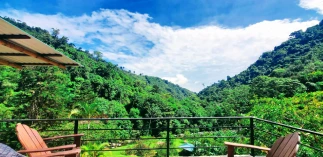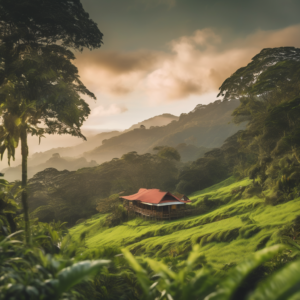
Costa Rica’s mountainous heartland isn’t just home to majestic peaks and cascading waterfalls. It’s also a secret haven for a shy and elusive resident: the Colombian Crake. This little crake, found flitting through the undergrowth of the high-altitude cloud forests, might be challenging to spot, but its presence adds a touch of mystery to your Costa Rican birding adventure.
Looking for the best next step? Explore Hiking Trails Costa Rica.
A Bird of Three Nations
The Colombian Crake (Mustelirallus colombianus) belongs to the rail family, known for their secretive ground-dwelling habits. While “Colombian” is in its name, this little bird isn’t restricted to just Colombia. It graces the high-altitude forests of Costa Rica, Ecuador, and Panama, making it a true regional specialty.
Spotting a Speckle of Brown
At only 18-20 centimeters (7.1-7.9 inches) long, the Colombian Crake is a petite bird. Its plumage is a symphony of understated browns. The crown, nape, and upperparts are a rich, warm brown, while the throat boasts a clean white patch. The face, breast, and flanks are a cooler, contrasting gray, giving way to a warm cinnamon belly and vent. Both males and females share this plumage, making them indistinguishable in the field.
A Master of Camouflage
The Colombian Crake’s cryptic coloration makes it a master of camouflage. It prefers dense undergrowth and the forest floor, where its brown tones blend seamlessly with fallen leaves and forest debris. This secretive nature makes visual encounters with this bird a rare treat.
Listen for the Whistle
While spotting the Colombian Crake can be a challenge, its presence might be revealed by its vocalizations. It has a distinctive whistled call, described as a series of high-pitched, repeated “too” notes. If you’re exploring the high-altitude forests of our Costa Rican retreat, keeping an ear out for this whistle might be your best chance of encountering this little-seen bird.
A Data Deficient Mystery
The Colombian Crake’s conservation status is currently listed as “Data Deficient” by the IUCN. This means there isn’t enough information to definitively assess its population trends or threats. However, due to its preference for undisturbed, high-altitude habitats, habitat loss due to deforestation and development could be a potential concern.
A Glimpse into the Hidden World
The Colombian Crake might be a challenging bird to see, but its presence adds a layer of intrigue to Costa Rica’s highland forests. It’s a reminder that even in the most explored ecosystems, there are still secrets waiting to be unveiled. So, on your next birding adventure at our mountain retreat, keep your ears tuned for the Colombian Crake’s whistle. You might just be lucky enough to catch a glimpse of this fascinating and elusive denizen of the cloud forests.
For more information, please view our comprehensive guide about the birds of Costa Rica