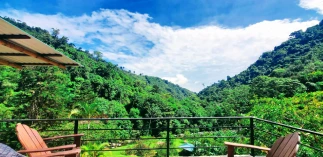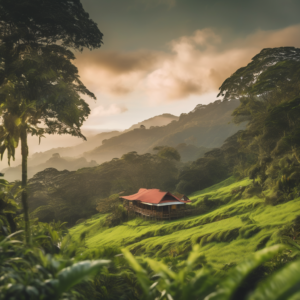
Here at our Costa Rican retreat, nestled amidst the emerald embrace of the mountains, we celebrate the rich tapestry of life that surrounds us. But Costa Rica’s biodiversity extends far beyond the cloud forests and rainforests we call home. Today, we venture out to the steamy, labyrinthine world of the mangroves, where a shy resident guards the secrets of the tidal forests: the Mangrove Rail.
Want a deeper dive? Start here: Hiking Trails Costa Rica.
The mangrove rail (Rallus longirostris) is a medium-sized, long-legged bird, typically measuring around 13 inches in length. Don’t expect a flamboyant display of feathers, though. This elusive creature is clad in a suit of muted greys and browns, perfectly camouflaged against the tangled roots and muddy banks of the mangrove forests. A pale orange bill and light orange-red legs add a touch of subtle color.
Despite its impressive camouflage, spotting a mangrove rail can be quite a challenge. These birds are notoriously secretive, preferring to weave through the dense undergrowth and rarely venturing out into the open. Their long, slender bill probes the mud in search of crabs, shrimp, insects, and other small invertebrates that form the base of their diet.
While the mangrove rail’s territory extends throughout the coasts of Central and South America, Costa Rica offers excellent opportunities to listen for these birds, even if seeing them proves difficult. Their loud, piercing calls, often described as a series of harsh “kowks” or “ke-uks,” echo through the mangroves at dawn and dusk. With a bit of patience and a trained ear, you might be lucky enough to catch their elusive song.
The mangrove rail plays a vital role in the health of the mangrove ecosystem. By preying on small invertebrates, they help control populations and maintain a healthy balance. Their presence is also an indicator of a thriving mangrove forest, as these birds are sensitive to habitat degradation.
Where to Find the Mangrove Rail in Costa Rica:
While the mangrove rail can be found along many coastlines in Costa Rica, some popular spots for birding enthusiasts include:
- Tempisque River Basin: This protected area on the Pacific coast boasts extensive mangrove forests and is a great place to listen for the calls of the mangrove rail.
- Palo Verde National Park: Located in the northwestern Guanacaste province, Palo Verde offers diverse habitats, including mangroves, where you might encounter this elusive bird.
- Ostional Wildlife Refuge: This refuge on the Pacific coast is known for its nesting olive ridley sea turtles, but the surrounding mangroves also provide habitat for the mangrove rail.
Tips for Spotting the Mangrove Rail:
- Early mornings and late afternoons: Your best chance of hearing the mangrove rail’s call is during these periods when they are most active.
- Patience and perseverance: These birds are shy and secretive, so be prepared for a long wait.
- Guided tours: Consider joining a birding tour with a local guide who knows the best spots to find mangrove rails and can help you identify them by their calls.
Even if you don’t get a glimpse of the mangrove rail itself, the experience of exploring the vibrant mangrove ecosystem and listening to the symphony of bird calls is an unforgettable one. So, on your next Costa Rican adventure, keep your ears open for the piercing call of the mangrove rail – a testament to the hidden wonders that lurk in the watery labyrinth of the mangroves.
For more information, please view our comprehensive guide about the birds of Costa Rica