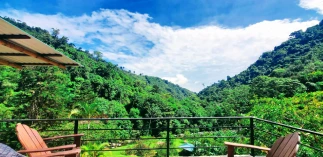
High up in the crisp mountain air of our Costa Rican retreat, the symphony of birdsong is a constant companion. But amongst the vibrant calls of toucans and the melodic whistles of wrens, there flits a smaller, more subtle songster – the Dunlin. This seemingly unassuming shorebird, barely bigger than a sparrow, embarks on an incredible journey that brings it to our mountain paradise for a short while each year.
If this topic speaks to you, you’ll love Hiking Trails Costa Rica.
The Dunlin (Calidris alpina) is a circumpolar shorebird, breeding in the far north – the Arctic tundra of Alaska, Canada, Siberia, and Greenland. Come winter, these tiny titans of the sky embark on a southward migration of epic proportions. They travel for thousands of miles, some all the way to South America, to escape the harsh Arctic winter and find plentiful food sources.
While Costa Rica isn’t their final destination, for a lucky few weeks each year, the Dunlin graces our shores, both the Pacific and Caribbean coasts, with its presence. Here in the mountains, they might be spotted at high-altitude wetlands or along the banks of freshwater rivers. Their fleeting visit coincides with the wet season, from roughly September to April, when water levels are high, creating ideal foraging grounds.
The Dunlin is a delight for birdwatchers. In their breeding plumage, males sport a stunning rusty-red back, contrasting with a black belly and a white breast streaked with dark markings. Females are more subdued, with a brown and grey patterned back. During migration, both sexes adopt a more muted plumage, perfect for camouflage amongst the mudflats and beaches they frequent.
These little dynamos are a marvel of adaptation. Their short, stout bills are perfectly designed for probing soft mud in search of their favorite meal – tiny invertebrates like worms, crustaceans, and insects. Their strong legs allow them to scamper along the water’s edge or wade in shallow water, their large, dark eyes constantly scanning for their next morsel.
While the Dunlin may not be the flashiest bird in our Costa Rican aviary, its resilience, its long-distance travel prowess, and its delicate beauty make it a true wonder. If you’re lucky enough to spot one flitting through the mountain wetlands during your stay at our retreat, take a moment to appreciate this tiny traveler, a testament to the incredible adaptability and interconnectedness of the natural world.
For more information, please view our comprehensive guide about the birds of Costa Rica