High up in the emerald embrace of Costa Rica’s rainforests, a silent sentinel keeps watch. Often shrouded in the verdant tapestry of leaves, the Semiplumbeous Hawk is a master of disguise. But for the keen-eyed observer, this little raptor holds a captivating beauty.
If this topic speaks to you, you’ll love Hiking Trails Costa Rica.
A Flash of Grey and a Glimmer of Orange
Standing at just 12-13 inches tall, the Semiplumbeous Hawk is a petite predator. Its plumage reflects the dappled sunlight filtering through the rainforest canopy. The upper parts are a cool, smoky grey, aptly reflected in its name (semiplumbeous translates to “half-lead-colored”). This cryptic coloring allows it to blend seamlessly with the tree trunks and branches.
But look closer, and a pop of color emerges. The hawk’s underparts are a clean, bright white, creating a striking contrast. Adding another dash of vibrancy are the bright orange-red legs and cere (the fleshy area at the base of the beak). A final touch of intrigue? A bold black mask around the eyes, making the Semiplumbeous Hawk look perpetually surprised.
A Patient Predator with a Taste for Tiny Dancers
Unlike its more flamboyant hawk cousins who soar effortlessly, the Semiplumbeous prefers a stealthier approach. It perches silently on high branches, its keen eyes scanning the forest floor for unsuspecting prey. Its primary targets? Small songbirds and forest inhabitants like antbirds.
The Semiplumbeous Hawk has a clever trick up its feathered sleeve. It often follows swarms of army ants, capitalizing on the chaos they create. As the forest floor explodes with activity, the hawk swoops in to pick off fleeing insects and the birds that chase after them. This opportunistic hunting strategy makes the Semiplumbeous an efficient predator in the dense rainforest environment.
A Forest Gem to Seek Out
The Semiplumbeous Hawk is a resident of the subtropical and tropical moist lowland forests of Costa Rica. While its range extends to neighboring countries like Panama and Colombia, Costa Rica’s protected areas offer excellent opportunities to spot this elusive bird. Corcovado National Park, La Selva Biological Station, and Carara National Park are all prime locations to add the Semiplumbeous Hawk to your birding list.
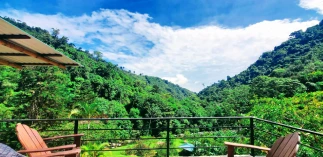
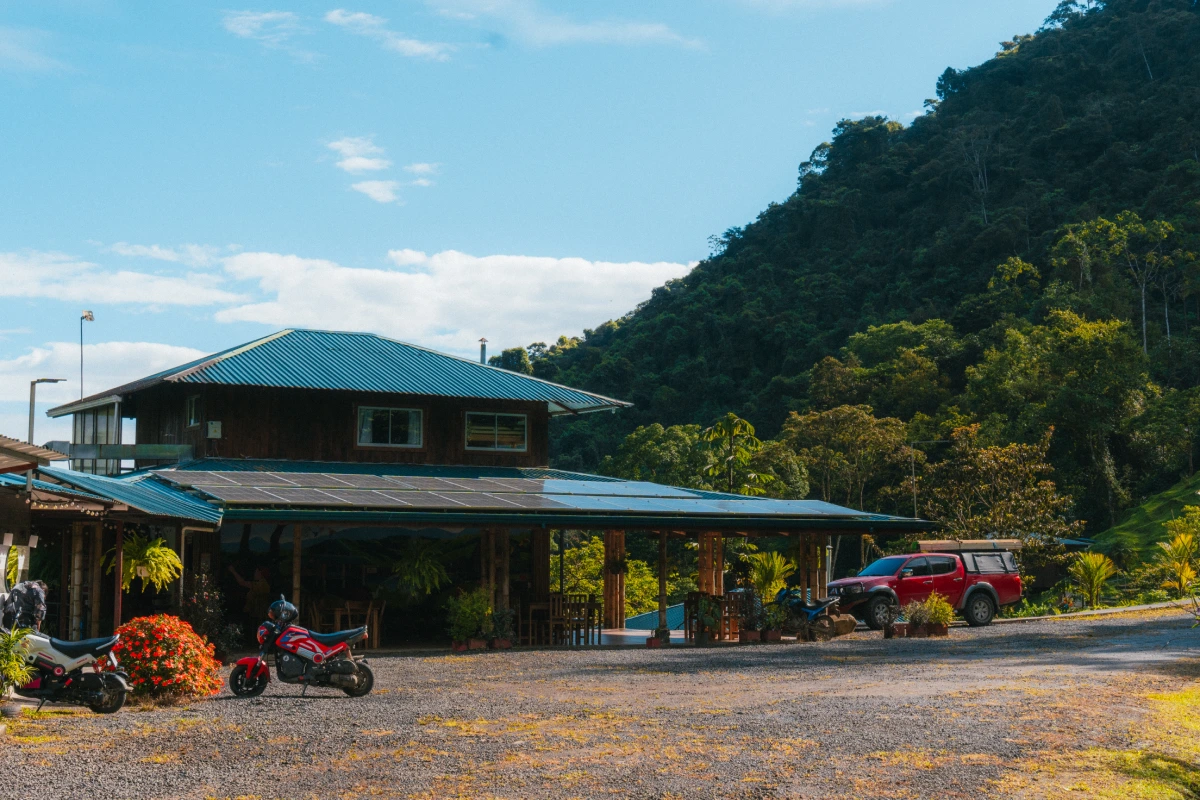
Here at our mountain retreat, nestled amidst the lush rainforests, you have a good chance of encountering this little raptor. With a little patience and a keen eye, you might just catch a glimpse of the Semiplumbeous Hawk perched on a branch, its black mask framing bright yellow eyes. And if you’re lucky, you might even witness its lightning-fast strike as it snags an unsuspecting insect or a tiny songbird – a silent testament to the drama that unfolds within the rainforest canopy.
For more information, please view our comprehensive guide about the birds of Costa Rica