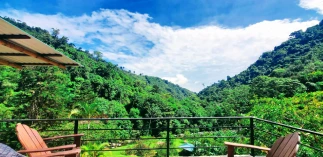
While the Costa Rican rainforest boasts a vibrant chorus of birdsong during the day, a different kind of magic unfolds after dark. Here at our mountain retreat, nestled amidst the whispering pines and rustling leaves, you might be lucky enough to encounter a nocturnal wonder – the Eastern Whip-poor-will.
Looking for the best next step? Explore Hiking Trails Costa Rica.
A Master of Camouflage
Chances are, you’ll hear the Eastern Whip-poor-will before you see it. This aptly named medium-sized bird, belonging to the nightjar family, is an expert at blending in. Its plumage is a cryptic tapestry of browns, grays, and blacks, mimicking the dappled forest floor and tree bark. Even during the day, when it rests motionless on a low branch or the forest litter, spotting a Whip-poor-will is a challenge.
The Song that Gave it its Name
But while sight is rare, sound is its specialty. As twilight deepens, the mountain air comes alive with the Whip-poor-will’s unmistakable call. Its haunting song, a clear and rhythmic “whip-poor-will,” echoes through the valleys, often repeated tirelessly throughout the night. This persistent chant, both beautiful and otherworldly, is the bird’s way of attracting mates and defending its territory.
A Creature of the Night
Unlike its daytime avian counterparts, the Eastern Whip-poor-will thrives under the cloak of darkness. Its large, forward-facing eyes are well-adapted for low-light vision, allowing it to hunt for flying insects with remarkable precision. With a wide gape and long, bristly whiskers, the Whip-poor-will snatches moths, beetles, and other airborne prey on the wing.
A Glimpse into a Hidden World
While spotting a Whip-poor-will can be a stroke of luck, the thrill of hearing its song resonate through the mountainscape is an experience in itself. It’s a reminder of the hidden world that thrives after dark, a world where different creatures play by different rules. Here at our mountain retreat, we invite you to immerse yourself in this nocturnal symphony and appreciate the wonder of the Eastern Whip-poor-will.
Tips for Hearing the Eastern Whip-poor-will:
- Listen at dusk and dawn: This is when the Whip-poor-will is most vocal.
- Find open areas near forests: Edges of clearings or meadows bordering woodlands are good spots.
- Minimize light pollution: Artificial light can disrupt the Whip-poor-will’s activity.
- Be patient: Hearing this elusive bird might take some time and a bit of luck.
So, the next time you find yourself nestled in your cozy cabin at our mountain retreat, with the cool night air whispering through the trees, keep your ears open. You might just be serenaded by the haunting call of the Eastern Whip-poor-will, a glimpse into the magic of the Costa Rican night.
For more information, please view our comprehensive guide about the birds of Costa Rica