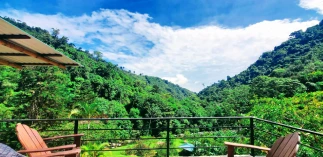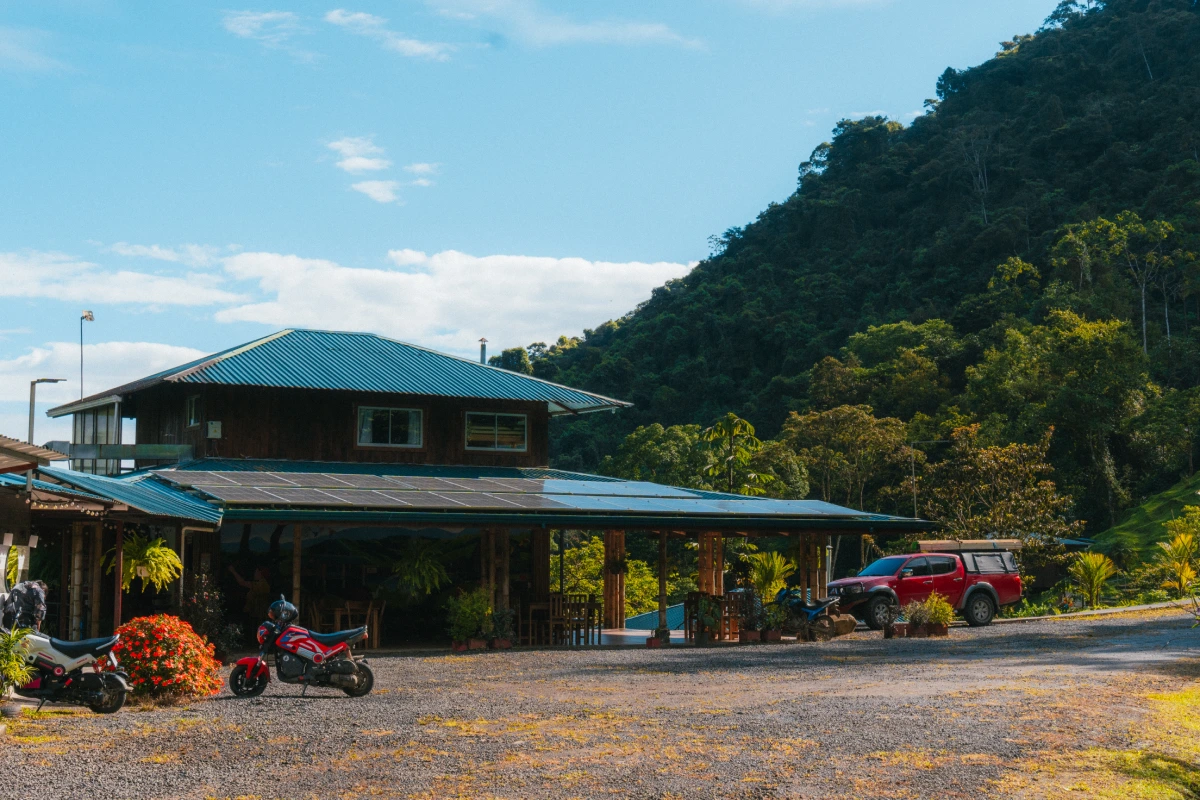
Here at Hotel Rivel, nestled amidst the emerald embrace of Costa Rica’s mountains, we pride ourselves on offering a unique blend of nature and adventure. While our haven is undoubtedly grounded, our sights sometimes turn skyward, towards the magnificent avian visitors that grace our corner of the world. Today, we take to the clouds to meet a rather unexpected guest – the Atlantic Yellow-nosed Albatross (Thalassarche chlororhynchos).
If this topic speaks to you, you’ll love Hiking Trails Costa Rica.
This majestic bird, with a wingspan reaching a staggering 3 meters (almost 10 feet!), is a true wanderer of the skies. Though primarily inhabiting the southern hemisphere, the Atlantic Yellow-nosed Albatross is known for its incredible long-distance travels. Spotting one here in Costa Rica is a rare privilege, a testament to their remarkable navigational abilities.
From the Southern Oceans to Costa Rica’s Coasts
Once classified alongside the Indian Yellow-nosed Albatross, these two magnificent birds were recently recognized as distinct species. The Atlantic Yellow-nosed Albatross breeds on islands in the South Atlantic, such as Tristan da Cunha and Gough Island. Following breeding season, they embark on epic journeys, venturing as far north as the waters off Canada and the east coast of the United States. It’s during these incredible migrations that a lucky few might grace the coasts of Costa Rica with their presence.
A Master of the Skies
The Atlantic Yellow-nosed Albatross is a marvel of avian adaptation. Their streamlined bodies and long, powerful wings are perfectly designed for soaring effortlessly on air currents. They can stay aloft for days at a time, barely needing to flap their wings. Keen observers might spot them gliding effortlessly just above the waves, utilizing updrafts and thermals to conserve energy.
A Vulnerable Visitor
Sadly, the Atlantic Yellow-nosed Albatross finds itself classified as Endangered by the IUCN. Their long lifespan, coupled with delayed breeding maturity, makes them particularly susceptible to threats. Longline fishing poses a significant danger, as albatrosses can become entangled in fishing gear, leading to drowning. Habitat degradation and climate change are also contributing factors.
Witnessing a Wonder
Spotting an Atlantic Yellow-nosed Albatross off the coast of Costa Rica is a truly unforgettable experience. Their graceful movements and impressive size are a sight to behold. Here at Hotel Rivel, we encourage our guests to be mindful eco-tourists. Responsible fishing practices and a commitment to environmental sustainability are crucial in ensuring the continued survival of this magnificent visitor.
The next time you gaze out at the vast Costa Rican sky, keep an eye out for a flash of white against the azure canvas. With a bit of luck, you might just be rewarded with a glimpse of the Atlantic Yellow-nosed Albatross, a reminder of the wonders that share our planet, even if just for a fleeting visit.
For more information, please view our comprehensive guide about the birds of Costa Rica