The Ultimate Guide to Best Months to Travel to Costa Rica: A Journey Through Costa Rica’s Heart
As a local concierge in Uvita, I’m asked the same question in different forms every day: what are the best months to travel to Costa Rica? The honest answer is that Costa Rica rewards every season in its own way. Some months bring bright, sunlit mornings and glassy Pacific waters; others arrive with green hills, soft afternoon rains, and a quieter rhythm that feels made for travelers who want to slow down and listen.
If this topic speaks to you, you’ll love Plan a Trip to Costa Rica: Your Ultimate Travel Guide.
Here in Puntarenas, especially around Uvita and the Osa-facing coast, the calendar is more than a list of dates. It is a living map of tides, wildlife movements, flowering trees, surf conditions, and the mood of the forest. The best time to visit Costa Rica depends on what you want to feel: the dry season’s golden certainty, the rainy season’s lush abundance, or the shoulder season’s sweet balance of calm weather and fewer crowds.
If you are planning a honeymoon, a family adventure, a wildlife journey, or a wellness escape, this Costa Rica climate guide will help you choose the right window. And because I know this coast intimately, I’ll also share the hidden gems most visitors miss: the early-morning lookout where Howler monkeys announce sunrise, the shaded trail where Blue Morpho butterflies flash like moving sapphires, and the beach access point where the tide pools glow after a long Pacific afternoon.
Understanding the Ecosystem and Local Significance
Costa Rica’s biodiversity is not a slogan here; it is the daily backdrop to life. In the Uvita and Puntarenas region, Ceiba trees rise like guardians above the canopy, while Heliconias push their red and orange bracts through the understory with impossible confidence. The air changes with the hour. At dawn, it can smell of salt, wet leaves, and distant flowers. After a tropical rain, the scent of damp earth becomes so rich it feels almost edible.
That is why the best months to travel to Costa Rica are not only about weather. They are about how the ecosystem behaves. During the Costa Rica dry season, trails are easier to walk, roads are more predictable, and beach days stretch long into sunset. During the Costa Rica rainy season, the forest deepens in color, frogs begin their evening chorus, and the hills around Uvita turn a thousand shades of green. For travelers interested in Sustainable Travel, this seasonal rhythm matters because it affects energy use, water availability, wildlife viewing, and the overall footprint of your stay.
At Hotel Rivel, we encourage guests to think like naturalists, not just tourists. If you align your trip with the land rather than forcing the land to fit your schedule, you will leave with a richer experience. That is the spirit of Pura Vida: not a rush, but a relationship.
Local tip: “The forest does not close for the rain; it opens.” In green season, the most rewarding travelers are often the ones who keep their plans flexible.
Planning Your Visit: When to Experience Best Months to Travel to Costa Rica
For most visitors, the best month for Costa Rica beaches falls somewhere between December and April, when the Pacific coast is at its sunniest and the sea often looks like polished glass in the morning. But if your travel style leans toward tranquility, value, and lush scenery, the Costa Rica shoulder season can be even more rewarding. Think May, June, early July, and sometimes November: months that offer a gentler pace, better rates, and landscapes that seem to breathe more deeply.
In Uvita, the weather by month is shaped by the Pacific, the mountains, and the movement of moisture across the southern zone. Mornings are often clear even in wetter months, which means you can plan hikes, boat trips, and wildlife tours early, then enjoy a slow lunch while the afternoon rain drums softly on the roof. This is one of the most important things to understand about Costa Rica travel seasons: rain does not always mean a washout. Often, it means a more intimate, more sensory version of the country.
When clients ask me when to go to Costa Rica, I ask them a few questions in return:
- Do you want the driest, brightest beach weather?
- Are you hoping to save money and avoid crowds?
- Is wildlife your priority, especially in rainforest and coastal habitats?
- Are you comfortable with afternoon showers if it means greener scenery and a quieter stay?
Your answers will point to a different month, and that is exactly the point. There is no single best time to visit Costa Rica for everyone. There is only the best time for your version of the journey.
Seasonal Variations: Green Season vs. High Season
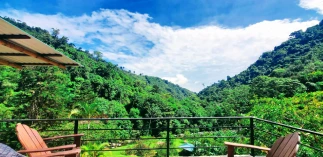
The classic split in Costa Rica is between the dry season and the rainy season, but locals often call the latter the green season. That name is more accurate and more generous. Yes, there is rain, especially in the afternoons and evenings. But there is also a softer light, fuller rivers, fewer crowds, and a landscape that seems to glow from within. If you have ever seen Heliconias after a shower or watched mist drift through the foothills near the Osa Peninsula, you already know why many of us prefer this season.
The dry season, usually from December through April on the Pacific side, is the easiest time for first-time visitors. Roads are more reliable, beach conditions are typically excellent, and the skies are often clear enough for long-range views across the ocean. This is the season most people imagine when they picture Costa Rica weather by month: bright mornings, warm afternoons, and sunset skies that burn orange behind the palms.
The green season, usually from May through November, is more nuanced. Early in the season, especially May and June, rain often arrives later in the day. July can bring a brief drier spell in some regions, sometimes called the veranillo or little summer. September and October are the rainiest months on the southern Pacific coast, and they can be wonderfully atmospheric, though they require a more flexible itinerary. For travelers who love lush rainforest, dramatic skies, and a slower pace, these months can be magical.
| Season | Typical Months | Weather Feel | Best For | Travel Notes |
|---|---|---|---|---|
| Dry Season | Dec-Apr | Sunny, warm, low rain | Beaches, first-time visitors, families | Higher demand and higher prices |
| Green Season | May-Nov | Lush, humid, afternoon showers | Wildlife, wellness, value, photography | More flexible planning recommended |
| Shoulder Season | May-Jun, Nov | Balanced, transitional | Fewer crowds, good rates, mixed activities | One of the smartest times to travel |
For many guests, the best months to travel to Costa Rica are actually in the shoulder season because it offers the best of both worlds. You may catch clear mornings for the beach and rainforest walks, then return to the lodge as the rain begins its gentle percussion. That rhythm can feel deeply restorative.
Immersive Experiences: Beyond the Typical Tourist Trail
In Uvita, the obvious attractions are only the beginning. Yes, travelers come for the whale tail sandbar, the beaches, and the national parks. But the most memorable moments often happen in the margins: a roadside fruit stand with freshly cut pineapple, a hidden waterfall reached by a muddy path, a quiet café where the owner knows which trail currently has the best bird activity.
If you are trying to decide the best month for Costa Rica wildlife, the answer depends on species and region. Birding can be excellent year-round, but the green season often brings dramatic activity as insects, frogs, and reptiles respond to the rain. In the dry season, animals may gather near remaining water sources, making them easier to spot in certain areas. Along the southern Pacific coast, Howler monkeys are a near-constant presence, but early mornings in the wet months can be especially alive with calls, wingbeats, and movement in the canopy.
Blue Morpho butterflies are another gift of this region. Their iridescent wings flash through the understory like pieces of sky. After rain, when the forest is fresh and the light is soft, they seem to appear everywhere at once. If you love photography, the best time to visit Costa Rica for wildlife spotting is often not the most obvious dry-season window, but the months when the forest is active and the light is moody.
For beach lovers, the best month for Costa Rica beaches is still often January through March, when the Pacific coast is reliably dry and the water invites long swims, paddle sessions, and sunset walks. But the green season has its own appeal. Beaches are quieter, sunsets can be dramatic, and the sound of the tide feels louder when there are fewer people around. In Uvita, you can walk the shoreline and hear the Pacific tide roll in with a steady, meditative pulse.
Adventure travelers also benefit from seasonal planning. The best time to visit Costa Rica for adventure activities often includes the dry months for ziplining, canyoning, and long hikes, but the green season can be ideal for rafting, waterfall excursions, and river-based experiences. If you want a more dynamic itinerary, this is where local knowledge matters. We can help you choose the right day, not just the right month.
Expert Tips for Sustainable and Mindful Exploration
Sustainable Travel in Costa Rica is not about perfection. It is about respect. Respect for local communities, respect for wildlife, and respect for the natural pace of the place you have come to enjoy. The most thoughtful travelers tend to do a few simple things well.
- Start activities early, when temperatures are cooler and wildlife is more active.
- Choose locally owned stays and guides who understand the land.
- Pack reusable water bottles, reef-safe sunscreen, and quick-dry clothing.
- Leave room in your itinerary for weather changes, especially in green season.
- Ask before taking photos of people, homes, or working farms.
These habits are especially important in a region like Puntarenas, where ecosystems and livelihoods are closely linked. A small decision, such as choosing a guide who limits group size or a lodge that supports habitat restoration, can have a meaningful impact. At Hotel Rivel, we see sustainability as part of hospitality, not an extra feature.
Concierge insight: The travelers who enjoy Costa Rica most are usually the ones who pack less, observe more, and let the day unfold with the weather.
For those interested in a deeper planning framework, our Hotel Rivel Wellness Packages are designed around the seasons, so guests can match their stay to the energy of the land. For broader trip planning, our Costa Rica Eco-Tourism Guide offers practical advice on responsible travel, wildlife etiquette, and regional highlights.
Connecting with Nature: The Wellness Aspect
There is a reason so many travelers come to Costa Rica seeking restoration. The country’s climate, biodiversity, and pace naturally encourage a slower nervous system. In Uvita, wellness is not limited to spa treatments or yoga mats. It begins with the soundscape: cicadas in the afternoon, rain on palm leaves, distant surf, and the soft rustle of a breeze moving through Ceiba branches.
The best months to travel to Costa Rica for wellness depend on your preferred atmosphere. If you want bright, energizing days for sunrise meditation, beach walks, and open-air movement, the dry season is ideal. If you want introspection, deep sleep, and a sense of being held by the landscape, the green season can be profoundly soothing. Many guests find that the first rain after a hot day feels like a reset button for the whole body.
Wellness here is also seasonal in a practical sense. In drier months, you may spend more time outdoors, while in wetter months you may choose slower rituals: herbal tea after a forest walk, a long reading session with the sound of rain, or a restorative treatment after a morning swim. This is where the Costa Rica climate guide becomes personal. Weather shapes not just your itinerary, but your state of mind.
For honeymooners, the best months to visit Costa Rica on a honeymoon are often the dry season months from January to March, when romantic beach dinners and golden sunsets are most reliable. But couples who value privacy and a more intimate atmosphere may prefer May or November, when the region feels less crowded and more secluded. In either case, Uvita offers a beautiful balance of ocean, rainforest, and quiet luxury.
Families visiting Costa Rica often ask about the best months for families visiting Costa Rica. The answer usually points to December through April for ease, predictable weather, and simpler logistics. Still, families with older children or flexible schedules can thrive in the green season too, especially if they enjoy wildlife, waterfalls, and a more adventurous mood. The key is to plan around morning activities and keep afternoons open for rest or rain.
Practical Logistics: Getting to Hotel Rivel and Beyond
Traveling to Uvita is part of the experience, and the route itself reveals much about the country. From the Central Valley or the southern Pacific coast, the drive unfolds through changing elevations, roadside fruit stands, and views of the ocean that appear and disappear like a secret. If you are arriving in the dry season, roads are generally easier and travel times more predictable. In the rainy season, it is wise to allow extra time and avoid late arrivals after dark when possible.
For guests heading to Hotel Rivel, I recommend planning your arrival with the weather in mind. If you land in San José, consider whether you want a scenic drive or a domestic connection closer to the coast. The southern zone rewards unhurried travelers. A good arrival day often includes a light meal, a sunset view, and no ambitious plans beyond settling in.
Here is a simple way to think about logistics by season:
- Dry season: easiest for self-driving, beach hopping, and fixed itineraries.
- Green season: best for flexible plans, earlier starts, and scenic drives with fewer crowds.
- Peak holiday periods: book transportation and rooms well in advance.
- Remote excursions: always confirm road conditions, especially after heavy rain.
When people ask about the cheapest months to travel to Costa Rica, I usually point to May, September, October, and sometimes early November, depending on the region and demand. These months can offer strong value, especially for travelers who are comfortable with rain and want to enjoy a quieter version of the country. If your goal is to stretch your budget without sacrificing experience, the Costa Rica shoulder season is often the smartest choice.
It is also worth noting that Costa Rica travel weather by region varies significantly. The Caribbean coast follows a different pattern from the Pacific. The Central Valley has its own milder climate. The southern Pacific, including Uvita and Puntarenas, typically experiences a pronounced dry season and a more intense rainy season than some other areas. This is why a one-size-fits-all answer rarely works. The best month for your trip depends on where you plan to stay and what you want to do.
Frequently Asked Questions About Best Months to Travel to Costa Rica
What are the best months to travel to Costa Rica?
The best months to travel to Costa Rica are typically December through April if you want the driest, sunniest weather, especially on the Pacific coast. If you prefer fewer crowds, greener landscapes, and better value, May, June, and November are excellent shoulder-season options.
Is Costa Rica better in the dry season or rainy season?
It depends on your priorities. The Costa Rica dry season is better for predictable beach weather, road conditions, and classic sunshine. The Costa Rica rainy season is better for lush scenery, wildlife activity, and a quieter, more immersive experience. Many travelers actually prefer the green season once they understand its rhythm.
What is the cheapest month to go to Costa Rica?
Some of the cheapest months to go to Costa Rica are usually September and October, with May and early November also offering strong value in many areas. Prices vary by region, holidays, and demand, so booking early can still help even in lower-cost months.
When is the best weather in Costa Rica?
The best weather in Costa Rica is generally found from December to April on the Pacific side, including Uvita and much of Puntarenas. During these months, you can expect more sunshine, less rain, and excellent conditions for beaches and outdoor activities.
What months are the rainiest in Costa Rica?
On the southern Pacific coast, September and October are usually the rainiest months. In some areas, heavy rain can begin in late August and continue into November. The exact pattern depends on the region, which is why Costa Rica weather by month is best reviewed with your destination in mind.
Is Costa Rica worth visiting during the green season?
Absolutely. Costa Rica is worth visiting during the green season if you enjoy lush scenery, fewer crowds, and a more relaxed pace. Rain often falls in the afternoon or evening, leaving mornings open for adventure. For many guests, the green season is the most beautiful and peaceful time of year.
What is the best time to visit Costa Rica for beaches?
The best time to visit Costa Rica for beaches is usually from December through April, when the Pacific coast is driest and sunniest. That said, some travelers love the green season for its quieter shores, dramatic skies, and softer atmosphere.
When is the best time to see wildlife in Costa Rica?
The best time to visit Costa Rica for wildlife spotting can be year-round, but many species are especially active in the green season when food and water are abundant. Early mornings are always best. In Uvita, you may hear Howler monkeys at dawn and spot Blue Morpho butterflies after rain.
Are there hurricanes in Costa Rica?
Costa Rica is not typically in the main hurricane path like some Caribbean destinations, but tropical systems can still influence weather, especially on the Caribbean side. The Pacific coast, including Uvita, is more often affected by seasonal rain patterns than direct hurricanes. Always check current forecasts before traveling.
What should I pack for Costa Rica by season?
For the dry season, pack light clothing, sun protection, swimwear, hiking shoes, and a reusable water bottle. For the rainy season, add a light rain jacket, quick-dry layers, waterproof footwear, and a small dry bag. Year-round, comfortable clothes and a flexible mindset are essential.
Conclusion: Embracing the Pura Vida Lifestyle
The best months to travel to Costa Rica are the months that match your intentions. If you want sunshine and simplicity, choose the dry season. If you want lush forests, quieter beaches, and a deeper connection to the land, choose the green season. If you want a little of both, the shoulder season may be your perfect answer.
In Uvita and across Puntarenas, the land teaches a simple truth: every season has its own kind of abundance. The dry months reveal the coastline in sharp, luminous detail. The rainy months soften the world, feed the forest, and invite you to slow down. Between them lies the full experience of Costa Rica travel seasons, from the bright edge of the Pacific to the shadowed trails where Heliconias bloom and monkeys call across the canopy.
As your concierge, my advice is this: do not ask only when to go to Costa Rica. Ask how you want to feel while you are here. Do you want salt on your skin and sun on your shoulders? Or rain in the trees, mud on the trail, and the scent of the forest after a storm? Costa Rica offers both, and often in the same day.
That is the beauty of this place. It is not a destination that asks you to conquer it. It asks you to notice it. To walk more slowly. To listen to the tide. To let Pura Vida become more than a phrase, and turn it into a way of traveling, resting, and remembering what matters.