Introduction to Costa Rica Sloths
Sloths are among the most beloved creatures in Costa Rica, captivating visitors with their slow movements and adorable faces. These unique mammals are not only a symbol of the country’s rich biodiversity but also play a crucial role in the ecosystem. In this article, we will explore fascinating facts about sloths, their habitat, and how you can experience these charming animals during your visit to Costa Rica.
Looking for the best next step? Explore Plan a Trip to Costa Rica: Your Ultimate Travel Guide.
Why Costa Rica Sloths Matters
Costa Rica is home to two main species of sloths: the two-toed sloth and the three-toed sloth. Understanding their importance is essential for appreciating the country’s wildlife. Sloths contribute to the health of the rainforest by aiding in the growth of trees and plants, as their slow movements allow for the dispersal of seeds and the promotion of biodiversity. Furthermore, sloths are an integral part of the food chain, providing sustenance for predators such as jaguars and harpy eagles.
Sloth Habitat in Costa Rica
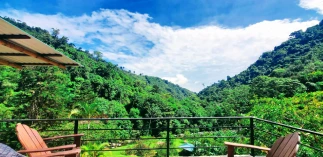
The sloth habitat in Costa Rica is primarily found in tropical rainforests, where they thrive among the trees. They spend most of their lives hanging upside down, feeding on leaves, fruits, and flowers. Their unique adaptations, such as a slow metabolism and specialized diet, allow them to live in harmony with the ecosystem. Costa Rica’s commitment to conservation efforts has helped maintain these habitats, ensuring that sloths continue to flourish.
Top Experiences & Practical Tips
If you’re eager to see sloths during your visit to Costa Rica, there are several wildlife tours specifically tailored to help you spot these enchanting creatures. Here are some of the best places to see sloths in Costa Rica:
- Manuel Antonio National Park: This popular park is famous for its diverse wildlife, including sloths. Guided tours will increase your chances of spotting these slow-moving mammals in their natural habitat.
- Monteverde Cloud Forest Reserve: The misty cloud forests are home to both two-toed and three-toed sloths. Explore the reserve’s trails with a knowledgeable guide for the best experience.
- Cahuita National Park: Located on the Caribbean coast, this park offers opportunities to see sloths along the hiking trails and in the trees.
- La Fortuna: Near the Arenal Volcano, wildlife tours in this area often include sloth sightings, alongside other fascinating animals.
Practical Tips for Sloth Spotting
- Join a guided wildlife tour to enhance your chances of spotting sloths and learning about their behavior.
- Be patient and quiet; sloths are elusive and can be difficult to spot if you make too much noise.
- Bring binoculars for a better view from a distance, as approaching sloths too closely can disturb them.
- Visit during the early morning or late afternoon when sloths are more active.
FAQs about Costa Rica Sloths
Where can I see sloths in Costa Rica?
Sloths can be seen in various locations across Costa Rica, including Manuel Antonio National Park, Monteverde Cloud Forest Reserve, and Cahuita National Park.
What do sloths eat in Costa Rica?
Sloths primarily feed on leaves, fruits, and flowers found in the treetops. Their diet consists mainly of foliage, which provides them with the nutrients they need to survive.
Are sloths endangered in Costa Rica?
While sloths are not currently classified as endangered, their populations face threats from habitat loss and human interference. Conservation efforts are vital to protect their habitats.
How fast are sloths in Costa Rica?
Sloths are known for their slow movements, typically moving at a speed of about 0.24 kilometers per hour (0.15 mph) when on the ground. In trees, they are slightly faster but still very slow compared to other animals.
What is the lifespan of a sloth in Costa Rica?
In the wild, sloths can live up to 20 years, while those in captivity may live even longer due to the absence of predators and constant access to food.
Conclusion
Costa Rica’s sloths are not only charming but also crucial to the country’s biodiversity and ecosystem. By understanding their habits and habitats, you can enhance your wildlife experience during your visit. Remember to respect their environment and join conservation efforts to help protect these incredible creatures for generations to come.