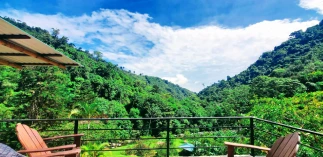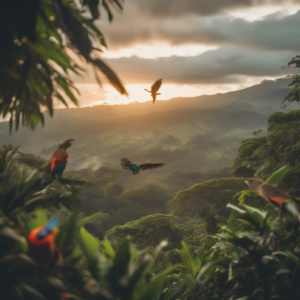
In the high mountains of Costa Rica, where the air is fresh and the views endless, you might not expect to find a bird that thrives in salty lakes. But here in our mountain retreat, nestled amidst lush vegetation, there is a chance to encounter a fascinating visitor: the Wilson’s Phalarope.
Aprovecha al máximo tu estancia: continúa con Senderos de Caminata en Costa Rica.
Yes, you read that right! While these incredible shorebirds are most often seen in the prairies of North America and along coastal migratory routes, a small number make a remarkable stopover in Costa Rica’s mountain lakes during their epic journeys.
A Little Dancer with a Special Twist
The Wilson’s Phalarope is a true marvel. This slender wading bird, the largest of the three phalarope species, is a picture of grace with its thin neck, long legs, and pointed wings. But what truly sets it apart is its impressive feeding technique.
Imagine a dancer spinning on stage: that’s the Wilson’s Phalarope in action. It spins rapidly on the water’s surface, creating a small whirlpool. This mesmerizing dance has a clever purpose. The spinning motion lifts tiny aquatic invertebrates hidden at the bottom of shallow lakes, making them easy to catch with the phalarope’s thin, agile beak.
A Fashion Parade with Redefined Roles
The Wilson’s Phalarope is a champion in breaking gender stereotypes in the bird world. Unlike most birds, the females are the stars of the show. During the breeding season, they sport dazzling plumage with reddish highlights and a dark line across the eye, adding a touch of elegance to their gray bodies. The males, on the other hand, are dressed in more subdued gray.
But the difference goes beyond appearance. The females take the lead in courtship, attracting and even competing for multiple mates in a single season. Once the eggs are laid, the males take over, becoming solely responsible for incubating and raising the chicks.
A Glimpse of a Global Traveler
Spotting a Wilson’s Phalarope in Costa Rica is a true privilege. Their stopover in the mountains is brief, usually lasting only a few weeks during their migration between North American breeding sites and South American wintering grounds.
The best chance to see these impressive dancers is on a calm morning near mountain lakes and ponds. Watch for their quick spins on the water’s surface and the flash of reddish feathers in the sun.
A Small Reminder of a Big World
The visit of the Wilson’s Phalarope to our mountain retreat is a beautiful reminder of our planet’s interconnectedness. Their incredible journey across continents underscores the importance of healthy ecosystems worldwide.
So, next time you’re here at our retreat, take a moment to explore the tranquil mountain lakes. You might be rewarded with a glimpse of this unique visitor, a little dancer with a story to tell, honoring our mountain sanctuary with its fleeting presence.
Para obtener más información, consulte nuestra guía completa sobre las aves de Costa Rica.