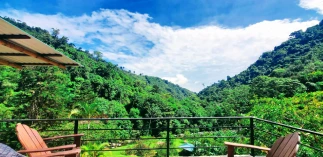
A medida que los primeros rayos del alba tiñen las montañas de Costa Rica con suaves tonalidades de rosa y naranja, una dulce sinfonía cobra vida. Entre el coro de tucanes y los gritos melódicos de los loros, un canto más silencioso emerge de las profundidades del bosque. Se trata del silbido cautivadoramente hermoso de la Paloma Colina Dorso Olivo, una residente tímida de los bosques de montaña que puede encontrar durante su estadía en nuestro refugio aislado en Costa Rica.
If this topic speaks to you, you’ll love Hiking Trails Costa Rica.
Una Maestra del Camuflaje
La Paloma Colina Dorso Olivo (Leptotrygon veraguensis) es un ave terrestre pequeña perfectamente adaptada a su vida en el suelo del bosque. Su plumaje es una obra maestra discreta del camuflaje. La parte superior es de un marrón oliva intenso, que se funde perfectamente con la luz tamizada que se filtra a través de las hojas. La parte inferior es un poco más clara, difuminándose hacia un vientre blanquecino. Este degradado sutil ayuda al ave a desaparecer en la hojarasca del bosque, un mecanismo de defensa vital contra los depredadores.
Un Destello de Blanco en el Verde
La característica más llamativa de la Paloma Colina Dorso Olivo es su máscara facial contrastante. A diferencia de su plumaje corporal discreto, la cara y las mejillas son de un blanco brillante, creando una mancha de color audaz sobre el fondo oliva. Este patrón contrastante podría servir para varios propósitos. Podría ser una forma de comunicación dentro de la especie, ayudando a los individuos a reconocerse entre sí en la luz tenue del bosque. También podría desempeñar un papel en las exhibiciones de cortejo.
La Vida de una Moradora del Suelo
A diferencia de sus primas palomas más grandes que se elevan por el cielo, la Paloma Colina Dorso Olivo es una residente devota del suelo del bosque. Sus alas cortas y redondeadas son más adecuadas para ráfagas cortas de vuelo que para viajes de larga distancia. Es más probable que se encuentre con esta ave si mantiene los ojos bien abiertos mientras explora los senderos del bosque en su retiro. A menudo se la verá caminando tranquilamente entre las hojas caídas, buscando comida.
La Recompensa de un Observador de Aves Paciente
La Paloma Colina Dorso Olivo es un ave tímida, y detectarla puede ser un desafío. Su plumaje críptico y su preferencia por el sotobosque denso la convierten en una maestra del ocultamiento. Sin embargo, con un poco de paciencia y un ojo atento, podría ser recompensado con un vistazo de esta belleza esquiva. Los mejores momentos para la observación de aves son las primeras horas de la mañana y la tarde, cuando estas palomas están más activas, buscando semillas, frutas y pequeños invertebrados en el suelo del bosque.
Un Canto en el Silencio
Si bien la Paloma Colina Dorso Olivo puede ser una criatura de las sombras, su presencia se anuncia con un canto sorprendentemente fuerte y claro. Se trata de una serie de notas silbadas, repetidas a intervalos regulares, que atraviesa la quietud del bosque. Esta simple melodía es una hermosa adición al canto del amanecer, un recordatorio de la vida oculta que prospera bajo el dosel exuberante.
Encontrando a la Paloma Colina Dorso Olivo en Nuestro Refugio
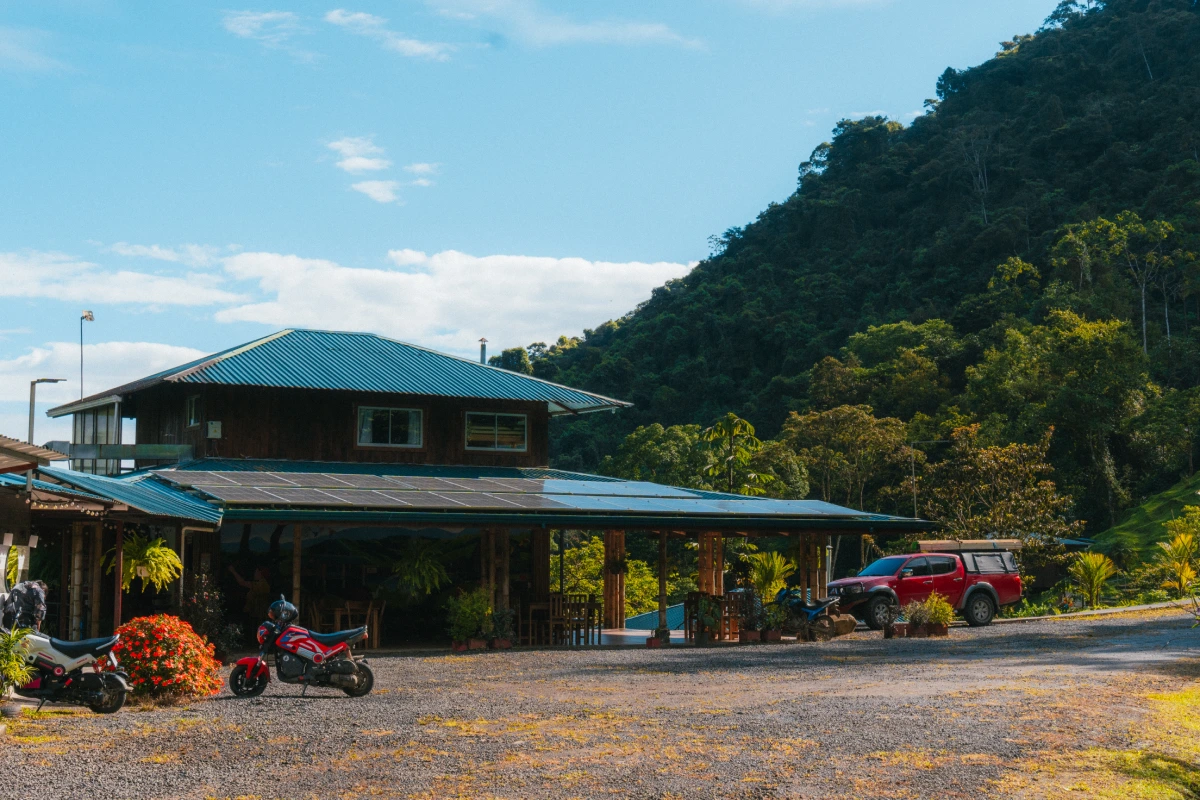
Los bosques montañosos que rodean nuestro refugio brindan un hábitat perfecto para la Paloma Colina Dorso Olivo. Con un poco de suerte y una observación atenta, quizás tenga la oportunidad de encontrarse con esta ave fascinante durante su estadía. Nuestro naturalista residente puede ofrecer caminatas guiadas diseñadas específicamente para la observación de aves, lo que le ayudará a aumentar sus posibilidades de avistar a este residente escurridizo de las montañas de Costa Rica.
Así que mantenga los ojos abiertos y los oídos atentos mientras explora los senderos. Con un poco de paciencia, podría ser recompensado con un vistazo de la Paloma Colina Dorso Olivo, una sombra tímida que se desliza a través del abrazo esmeralda de la selva tropical costarricense.
Para obtener más información, consulte nuestra guía completa sobre las aves de Costa Rica.