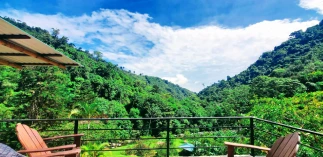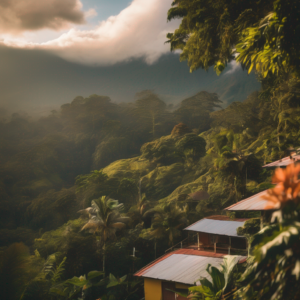
In the high mountains of Costa Rica, where the mist hangs low and the emerald forests whisper secrets, resides a wading bird like no other. Often heard but rarely seen, the Sora (Porzana carolina) weaves a symphony of calls through the reeds, a haunting melody that piques the curiosity of birdwatchers and nature enthusiasts.
¿Quieres profundizar más? Comienza aquí: Senderos de Costa Rica.
While the Sora may not be the most vibrantly colored bird in our diverse avian tapestry, its subtle charm and reserved nature make it a true gem of the highlands.
Un Maestro del Camuflaje
Standing just 23 to 28 centimeters tall, the Sora is a master of disguise. Its brown upper parts blend seamlessly with the marsh vegetation, and its beige underparts provide excellent camouflage against the water’s surface. Even its short yellow bill and black mask seem designed to disappear among the reeds. This cryptic plumage allows the Sora to navigate its marshy domain unseen, a true ninja of the wetlands.
A Singer of Shadows
Despite its shyness, the Sora is a surprisingly vocal bird. Its most characteristic song is a loud and piercing “whinnny,” a descending series that resonates in the still mountain air. This call, often compared to the sound of a rusty hinge, is how the Sora marks its territory and attracts mates. The bird also possesses a softer two-tone whistle, a melodious “per-WEE” that adds a whimsical touch to its repertoire.
A Glimpse of Grace
While spotting a Sora can be challenging, patience and keen observation can sometimes be rewarded. If you’re lucky enough to catch a glimpse, you’ll witness a bird of surprising grace. The Sora’s long legs and toes allow it to navigate dense vegetation with ease, and its bobbing tail adds a comical touch to its movements. When startled from its hiding place, the Sora takes flight with a burst of energy, its small wings propelling it in a series of erratic bursts.
Where to Find the Sora
The Sora is a seasonal resident in the highlands of Costa Rica, typically arriving in spring and departing in fall. Its preferred habitat is freshwater marshes, particularly those with tall reeds and cattails. Here, in our mountain retreat, you might encounter the Sora in the marshy areas bordering the crystal-clear streams that meander through the property.
Tips for Spotting the Sora
While spotting a Sora can be a matter of luck, there are a few things you can do to increase your chances:
- Visit during the breeding season: Soras are more active and vocal in spring and early summer.
- Focus on sounds: The Sora’s calls are often the best indication of its presence.
- Scan marsh edges: Look for movement among the reeds, especially early in the morning or late in the afternoon when the Sora is most active.
- Be patient: The Sora is a shy bird, so don’t be discouraged if you don’t see it right away.
The Charm of the Unseen
The Sora may be a creature of shadows, but its haunting calls and elusive presence add a touch of magic to the highlands of Costa Rica. By keeping your eyes wide open and your ears attuned, you might be lucky enough to spot this captivating wading bird, a fleeting moment that will leave you with a newfound appreciation for the hidden wonders of the natural world.
Para obtener más información, consulte nuestra guía completa sobre las aves de Costa Rica.