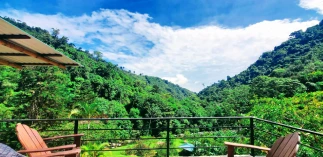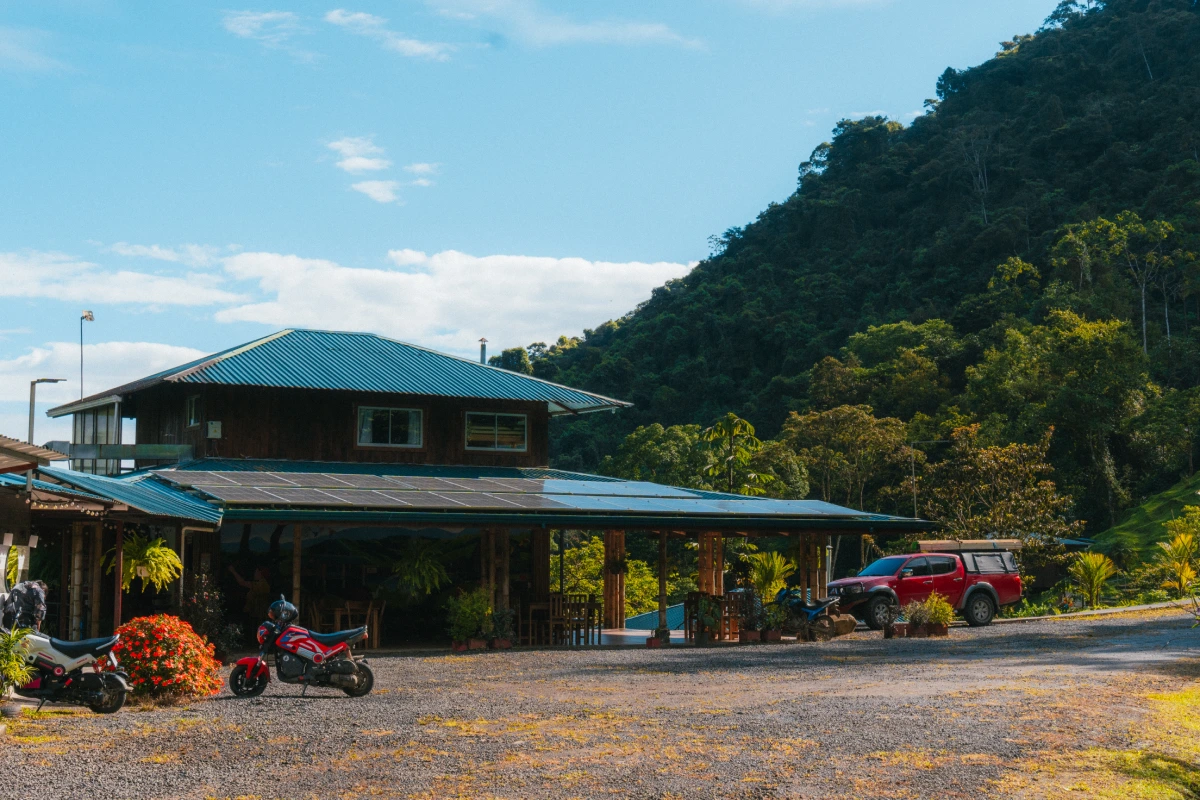
En nuestro refugio de montaña costarricense, ubicado en las profundidades del exuberante dosel del bosque tropical, tenemos la suerte de estar rodeados por una vibrante sinfonía de cantos de aves. Pero durante los meses de otoño, un visitante particularmente fascinante adorna nuestros árboles: la Reinita Cabecinegra. Esta diminuta ave cantora, no más grande que un bolígrafo, emprende un viaje épico que la lleva hasta nuestro refugio de montaña para una breve escala.
If this topic speaks to you, you’ll love Hiking Trails Costa Rica.
La Reinita Cabecinegra es una campeona de la migración de larga distancia. Reproduciéndose en los bosques boreales de Canadá y Alaska, estas pequeñas maravillas se embarcan en un viaje hacia el sur en otoño. Pero su ruta no es el típico salto por tierra. La Reinita Cabecinegra ostenta el récord del vuelo transoceánico más largo de todas las aves cantoras. Abróchense, porque esto se vuelve increíble: realizan un viaje sin escalas de hasta 2.897 kilómetros (1.800 millas) a través del Océano Atlántico, desde la costa este de América del Norte hasta sus zonas de invernaje en Puerto Rico, las Antillas Menores y el norte de Sudamérica. ¡Eso son tres días enteros volando sobre aguas abiertas, navegando por las estrellas y el campo magnético terrestre!
Imagine la inmensa hazaña física que esto representa. Para prepararse para este maratón aéreo, las Reinitas Cabecinegras duplican su peso corporal atiborrándose de insectos antes de partir. Durante la migración, vuelan a gran altitud, aprovechando los fuertes vientos de cola para conservar energía.
Observar una Reinita Cabecinegra en nuestro refugio es un lujo. Si bien no son residentes permanentes, a menudo toman un merecido descanso en nuestros bosques de montaña durante su migración otoñal.
Aquí le indicamos cómo identificar a estas notables viajeras:
- Machos reproductores: Busque un llamativo smoking blanco y negro. Tienen una corona negra prominente que contrasta con mejillas blancas nítidas y dos barras alares blancas.
- Hembras e inmaduros: Durante la migración, pierden su dramático plumaje blanco y negro. En cambio, espere ver un ave de color amarillo verdoso con rayas oscuras en el dorso y rayas tenues debajo. Su cara es de color amarillo pálido con una línea ocular oscura.
Estas pequeñas insectívoras se pueden encontrar revoloteando entre las hojas y ramas, especialmente en los árboles más altos. Su canto agudo, descrito como fino y zumbante, puede requerir un oído atento para detectarlo. Pero si es paciente y observador, podría ser recompensado con un vistazo a esta increíble atleta aviar.
La presencia de la Reinita Cabecinegra en nuestro refugio es un recordatorio de la interconexión de nuestro planeta. Su migración de larga distancia resalta los desafíos que enfrentan las aves debido a la pérdida de hábitat y el cambio climático. Al proteger nuestras selvas tropicales y crear un entorno sostenible, podemos ofrecer una escala vital a estas magníficas aves en sus increíbles viajes.
Así que mantenga los ojos bien abiertos durante su estadía en nuestro refugio de montaña. Tal vez tenga la suerte de presenciar a la Reinita Cabecinegra, un diminuto testamento de las maravillas de la naturaleza y el poder de la resistencia.
Para obtener más información, consulte nuestra guía completa sobre las aves de Costa Rica.