En las elevadas montañas del Talamanca de Costa Rica, en medio de los susurrantes pinos y el abrazo esmeralda del bosque nuboso, reside una pequeña joya: la Reinita Carinegra. Esta reproductora residente, endémica de esta región, es un ave cantora cautivadora que inyecta una ráfaga de color y melodía al aire de la montaña.
If this topic speaks to you, you’ll love Hiking Trails Costa Rica.
Para el observador de aves ávido o el entusiasta curioso de la naturaleza, avistar una Reinita Carinegra es un verdadero placer. Si bien mide solo 13-13.5 cm de largo, esta pequeña cantora posee un plumaje que impacta.
Una Corona de Herrumbre y un Antifaz de Medianoche
La Reinita Carinegra hace honor a su nombre. Su corona es de un llamativo color castaño rojizo, en un contraste sorprendente con el negro azabache que cubre sus mejillas. Este dramático marco facial se acentúa aún más por una ceja superciliar blanca y audaz, una línea brillante que se extiende por encima de su ojo.
Las partes superiores de la Reinita Carinegra son de un verde oliva más tenue, mientras que el pecho es de un gris oliva fresco. A medida que su mirada baja, el ave se ilumina, con un vientre de color blanco amarillento que ofrece un contrapunto alegre.
Una Habitante del Bosque con Debilidad por el Bambú
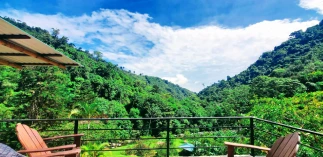
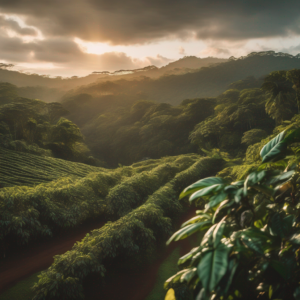
La Reinita Carinegra es una criatura de las altas montañas. Su hábitat preferido es el bosque de robles, específicamente aquellos con un denso sotobosque de bambú. Aquí, a altitudes que van desde los 2500 metros hasta el límite forestal, estos pequeños acróbatas revolotean entre las ramas, buscando insectos y otros invertebrados.
Si bien se encuentra principalmente en las zonas más altas, ha habido avistamientos ocasionales de Reinitas Carinegras a tan solo 1600 metros. Por lo tanto, mantenga los ojos bien abiertos durante sus exploraciones, ya que podría encontrarse con esta pequeña maravilla en una región más baja.
Un Misterio Melodioso
La Reinita Carinegra no solo es visualmente llamativa; también es una vocalista talentosa. Su canto, aunque no está ampliamente documentado, se describe como una serie de notas claras y silbadas.
Un Vistazo a un Mundo Escondido
Avistar una Reinita Carinegra requiere paciencia y un ojo atento. Estas pequeñas aves tienden a permanecer bajas en el sotobosque, revoloteando de rama en rama, a menudo en parejas o en pequeños grupos. Incluso pueden unirse a bandadas de especies mixtas, lo que las hace aún más difíciles de identificar sobre la marcha.
Sin embargo, con un poco de perseverancia, podría ser recompensado con un vistazo a esta residente especial de las tierras altas de Costa Rica. La vista de su plumaje vibrante, el destello de blanco contra la máscara negra y el canto melodioso que se filtra a través de las hojas será un recuerdo que atesorará.
Consejos para Observar una Reinita Carinegra
- Diríjase a las Alturas: La Reinita Carinegra prospera en los bosques de alta montaña. Si planea un viaje a Costa Rica y desea ver a esta ave, priorice la exploración de la cordillera de Talamanca.
- Sea un Madrugador: Estas reinitas están más activas en las primeras horas de la mañana. Entonces, levántese con el sol y salga hacia el bosque para tener la mejor oportunidad de verla.
- Escuche el Canto: Las notas claras y silbadas de la Reinita Carinegra pueden ser una pista útil sobre su presencia. Entrene su oído para reconocer la melodía.
- Siga a las Bandadas Mixtas: Las Reinitas Carinegras a veces se unen a bandadas de especies mixtas. Si observa un grupo de aves buscando comida juntas en el sotobosque, esté atento a las marcas distintivas de la Reinita Carinegra.
Siguiendo estos consejos y aventurándose en el corazón de las montañas costarricenses, podría encontrarse con esta pequeña joya: la Reinita Carinegra. Y quién sabe, esta pequeña ave cantora podría convertirse en lo más destacado de su aventura costarricense.
Para obtener más información, consulte nuestra guía completa sobre las aves de Costa Rica.