Was ist einzigartig an Costa Rica? 20 ungewöhnliche Fakten und interessante Dinge, die Sie wissen sollten
Stellen Sie sich ein Land vor, das beschlossen hat, seine Panzer gegen Schulbücher und seine Kasernen gegen Schmetterlinge einzutauschen. Das ist keine Fantasie – es ist Costa Rica, ein Land, das vor über 70 Jahren die monumentale Entscheidung traf, seine Armee abzuschaffen. Dieser einzelne Akt schuf eine “Friedensdividende”, die es dem Land ermöglichte, in den Schutz seiner atemberaubenden Naturwelt zu investieren und eine Kultur tiefen Optimismus zu fördern.
Diese einzigartige Denkweise wird in einem kraftvollen Satz eingefangen, den Sie überall hören werden: Pura Vida, oder “pures Leben”. Es ist ein Gruß, ein Abschied und eine Philosophie in einem. Diese Grundlage des Friedens hat es ermöglicht, dass sich seine einzigartigsten Qualitäten entfalten, von nebligen Nebelwäldern bis hin zu einer erstaunlichen Biodiversität, die beweist, dass die Entscheidungen eines Landes wirklich seinen Charakter definieren.
Was bedeutet “Pura Vida” eigentlich?
Man kann Costa Rica nicht verstehen, ohne Pura Vida zu verstehen. Wörtlich “pures Leben”, ist dieser einfache Satz das inoffizielle Motto des Landes – ein freundlicher Gruß, ein fröhlicher Abschied und eine Art zu sagen „alles ist großartig“.
Aber seine wahre Kraft liegt in seiner Bedeutung als Lebensstil. Die Pura Vida-Philosophie ist eine Umarmung von Optimismus, Dankbarkeit und Einfachheit. Es ist eine bewusste Entscheidung, sich auf Wohlbefinden statt auf Sorgen zu konzentrieren, was die Kultur einzigartig ruhig und einladend macht. Diese nationale Denkweise spiegelt ein kollektives Wertesystem wider, das Frieden und Glück priorisiert, was letztendlich Costa Rica befähigte, seine Zukunft neu zu definieren.
Wie machte die Abschaffung der Armee Costa Rica zu einem Naturparadies?
Dieses nationale Engagement für den Frieden wurde 1949 zur offiziellen Politik. Nach einem kurzen Bürgerkrieg traf das Land eine radikale Entscheidung: Es schaffte seine Armee vollständig ab. Durch die Umleitung seines gesamten Verteidigungsbudgets schuf Costa Rica, was Ökonomen eine “Friedensdividende” nennen.
Anstatt für Panzer und Soldaten auszugeben, investierte die Regierung stark in Bildung, Gesundheitswesen und vor allem in den Umweltschutz. Diese zukunftsweisende Entscheidung ist der direkte Grund, warum über ein Viertel des Landes in Nationalparks und Naturschutzgebieten erhalten ist – ein Prozentsatz, den nur wenige andere Nationen beanspruchen können. Die üppigen Regenwälder und unberührten Strände, die den costa-ricanischen Ökotourismus definieren, sind das lebendige Ergebnis einer jahrzehntelangen Entscheidung, in die Natur statt in Konflikte zu investieren.
Warum ist dieses kleine Land ein globaler Biodiversitäts-Hotspot?
Obwohl es nur 0,03 % der Erdoberfläche bedeckt, beherbergt Costa Rica fast 6 % der Biodiversität. Diese unglaubliche Konzentration von Leben macht es zu einem der wichtigsten Biodiversitäts-Hotspots des Planeten, Orte, die für ihre außergewöhnliche Vielfalt an Lebewesen anerkannt sind.
Der Grund ist einfache Geografie. Costa Rica bildet eine schmale Landbrücke, die Nord- und Südamerika verbindet. Seit Millionen von Jahren fungiert dieser Korridor als biologischer Highway, der es Arten aus zwei völlig unterschiedlichen Welten ermöglicht, zu migrieren, sich zu treffen und zu vermischen. Das Ergebnis ist eine spektakuläre Mischung von Wildtieren, bei der nördliche Arten wie Weißwedelhirsche die Landschaft mit südlichen Ikonen wie Spinnenaffen und Dreifingerfaultieren teilen. Diese lebendige Konvergenz lässt berühmte Kreaturen wie Tukane und Rotaugenlaubfrösche gedeihen.
Was ist der wirkliche Unterschied zwischen einem Regenwald und einem Nebelwald?
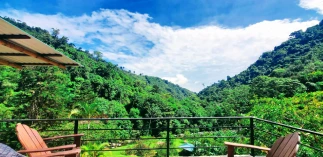
Während Sie sich bei Costa Rica vielleicht einen dampfenden, heißen Regenwald vorstellen, beherbergt das Land auch ein magischeres und schwer fassbares Ökosystem: den Nebelwald. Der entscheidende Unterschied ist die Höhe. Diese einzigartigen Wälder wachsen so hoch an Berghängen, dass sie buchstäblich in einem kühlen, feuchtigkeitsreichen Nebel gebadet werden und eine völlig andere Welt schaffen.
Diese ständige Feuchtigkeit verwandelt die Umgebung in ein andersweltliches grünes Königreich. Im Gegensatz zu einem sonnigen Regenwald ist hier fast jeder Ast und Baumstamm mit dicken Moosen, zarten Farnen und wilden Orchideen bedeckt, die Feuchtigkeit aus der Luft aufnehmen. Im weltberühmten Monteverde können Sie dies hautnah erleben, indem Sie über ikonische Hängebrücken gehen, die direkt im nebligen Blätterdach schweben – eine unvergessliche Möglichkeit, sich in der Natur in ihrer bezauberndsten Form zu verlieren.
Wie kann man Faultiere ethisch und verantwortungsvoll sehen?
Ein Faultier in seinem natürlichen Lebensraum zu entdecken, ist für viele Besucher ein Highlight. Costa Rica ist die Heimat von zwei Arten: dem etwas größeren Zweifingerfaultier und dem berühmten Dreifingerfaultier, bekannt für sein dauerhaftes “Lächeln”. Eine ungewöhnliche Tatsache ist, dass Dreifingerfaultiere so langsam sind, dass Algen oft auf ihrem Fell wachsen und ihnen natürliche Tarnung bieten.
Diese Langsamkeit resultiert aus einer unglaublich energiearmen Ernährung, und der Stress, von Menschen berührt oder gehalten zu werden, kann tödlich sein. Jede Tour oder sogenanntes Faultier-Schutzgebiet, das es Ihnen erlaubt, ein Faultier zu halten, fügt ihm Schaden zu, unabhängig von ihren Behauptungen. Wahre Erhaltung konzentriert sich darauf, Tiere in ihrer natürlichen Umgebung zu schützen. Der beste Weg, sie zu sehen, ist, einen lokalen Führer zu engagieren. Sie haben geschulte Augen, um Faultiere hoch im Blätterdach zu entdecken, und tragen Spektive, die Ihnen eine fantastische Nahansicht bieten, ohne das Tier zu stören.
Was ist Ökotourismus und wie macht Costa Rica es am besten?
Dieser respektvolle Ansatz ist das Herzstück des Ökotourismus – Reisen, die den Naturschutz unterstützen und lokalen Gemeinschaften zugutekommen. Die Kernidee ist einfach: Ihr Besuch sollte direkt dazu beitragen, die Natur zu schützen, die Sie sehen möchten. Die Vorteile umfassen die Finanzierung von Nationalparks und die Bereitstellung von Arbeitsplätzen, die von einem gesunden Ökosystem abhängen, nicht von dessen Zerstörung.
Um dieses Engagement zu beweisen, hat das Land eine einzigartige Zertifizierung für nachhaltigen Tourismus (CST) geschaffen. Dieses System hilft Reisenden, Öko-Lodges und Touren, die wirklich grün sind, leicht zu identifizieren und nimmt das Rätselraten aus der positiven Wirkung. Dieses Engagement erstreckt sich auf das ganze Land: Costa Rica läuft zu über 98 % mit sauberer Energie aus Quellen wie Wasser- und Geothermie.
Warum leben Menschen in Costa Ricas Blue Zone so lange?
Dieser Fokus auf Wohlbefinden leuchtet am hellsten auf der Nicoya-Halbinsel, einer der fünf Blue Zones der Welt – seltene Hotspots, in denen die Bewohner messbar länger und gesünder leben. Das Geheimnis ist keine magische Pille, sondern ein Lebensstil.
Nicoyaner gedeihen mit einer pflanzenreichen Ernährung, ständiger sanfter Bewegung durch tägliche Aufgaben und tiefen Gemeinschaftsbänden, die sie mit Familie und Nachbarn verbinden. Vor allem teilen viele einen starken Sinn für Zweck, bekannt als plan de vida, oder “Lebensplan”. Diese Einstellung gibt ihnen einen Grund, jeden Tag mit Optimismus zu begrüßen, eine Philosophie, die darin besteht, in einfachen, täglichen Ritualen Bedeutung zu finden.
Ein lebendiger Entwurf von Pura Vida
Letztendlich ist das, was Costa Rica einzigartig macht, nicht nur eine Sache, sondern ein lebendiger Entwurf. Die Entscheidung, in Frieden und Natur zu investieren, schuf eine positive Rückkopplungsschleife: Eine gesunde Umwelt unterstützt eine gesunde, optimistische Kultur, die wiederum das Engagement für den Naturschutz verstärkt. Von den üppigen Nebelwäldern von Monteverde bis zu den langlebigen Gemeinschaften der Nicoya-Halbinsel zeigt Costa Rica, dass die Werte eines Landes sein Schicksal formen können. Es ist der Beweis, dass ein Engagement für Wohlbefinden nicht nur einen inspirierenden Ort zum Besuchen schafft, sondern auch eine hoffnungsvolle Lebensweise.